Ir al contenido

What Is Alloy Steel? Types, Properties and Industrial Uses
Standard steel works well in many applications, but some projects need more strength, better wear resistance, improved toughness, or stronger performance under heat, pressure, or impact. This is where acero aleado becomes useful.
Alloy steel is made by adding selected elements to iron and carbon. These elements may include chromium, nickel, molybdenum, manganese, vanadium, silicon, or tungsten. Each element changes the steel in a different way, so the final material can be adjusted for specific industrial uses.
For buyers and engineers, alloy steel is not just a general material name. The grade, heat treatment condition, product form, and final application all matter. A 4140 round bar for a machined shaft, for example, is not selected in the same way as an alloy steel plate for structural or pressure-related work.

Comprender el acero aleado
Alloy steel is steel that contains additional alloying elements besides iron and carbon. These elements may include chromium, nickel, molybdenum, manganese, vanadium, silicon, or tungsten. They are added in controlled amounts to improve specific properties such as strength, toughness, hardness, wear resistance, heat resistance, or corrosion resistance.
In basic carbon steel, iron and carbon provide the main structure of the material. When selected alloying elements are added, the steel can perform better in demanding working conditions. This is why alloy steel is often used in machinery, aceite y gas equipment, y una estética impecable, componentes aeroespaciales, pressure-related parts, and other industrial applications.
The amount of alloying elements can vary depending on the grade and intended use. In some low-alloy steels, the added elements make up only a small percentage of the total composition. In high-alloy steels, the alloying content can be much higher. The final performance depends not only on the chemical composition, but also on heat treatment, product form, and processing requirements.
For buyers and engineers, alloy steel should not be selected by name alone. A placa, round bar, pipe, or machined part may require different grades, standards, hardness levels, or delivery conditions. Choosing the right alloy steel means matching the material properties with the actual working environment.

Alloy Steel vs Carbon Steel vs Stainless Steel
| Material Type | Main Difference | Typical Strength | Usos comunes |
|---|---|---|---|
| Acero al carbono | Mainly iron and carbon, with limited alloying elements | Cost-effective and easy to fabricate | General structures, frames, basic machinery parts |
| Acero aleado | Contains added elements such as Cr, Ni, Mo, Mn, V, or Si | Better strength, toughness, hardenability, or wear resistance | Shafts, gears, tools, pressure parts, automotive and energy components |
| Fabricante y proveedor de | Contains enough chromium to improve corrosion resistance | Strong corrosion resistance and clean surface finish | Chemical equipment, food processing, marine, medical, and decorative uses |
Elementos de aleación comunes
Cada elemento de aleación aporta algo diferente. He aquí un desglose:
- Manganeso es uno de los elementos más utilizados. Mejora la resistencia y la tenacidad. También reduce la fragilidad. Mezclado con azufre y fósforo, facilita el moldeado del acero.
- Cromo es conocido por aumentar la dureza. Incluso una pequeña cantidad, alrededor de 0,5 a 2%, ... marca una gran diferencia. Los niveles más altos, hasta 18%, Protegen el acero de la oxidación y la corrosión.
- Vanadio mejora la estructura del grano. También aumenta la fuerza y la resistencia al calor. Sólo 0.15% es suficiente para mejorar el rendimiento. Cuando se combina con cromo, el acero se vuelve duro y moldeable.
- Níquel añade dureza. Ayuda al acero a resistir la presión. A niveles más altos, aumenta la resistencia a la corrosión. Esto es especialmente cierto en entornos húmedos o difíciles.
- Tungsteno eleva el punto de fusión del acero. También mejora la estabilidad a altas temperaturas.
- Molibdeno refuerza el acero. Protege contra los golpes, el calor y el desgaste.
Every element has a role, but the final performance depends on the full composition, heat treatment, and application. In purchasing, the grade name alone is not enough. Buyers should also check chemical composition, mechanical properties, delivery condition, and testing documents.
¿Cómo se fabrica el acero aleado?
Todos los elementos de aleación son se funden en un horno para fabricar acero aleado. Se suele utilizar un horno de arco eléctrico. Calienta la mezcla a más de 1600°C. El proceso dura entre 8 y 12 horas.
Una vez fundido, el acero debe refinarse. Se recuece a altas temperaturas, a menudo superiores a 500°C. Este paso ayuda a eliminar las tensiones internas. También modifica la estructura del acero para mejorar su rendimiento.

Limpieza
Tras el recocido, es necesario limpiar la superficie. Durante el calentamiento, se forma una capa de cascarilla de laminación. Ácido fluorhídrico elimina esta capa. Este paso se denomina descalcificación. A veces, tanto el recocido como la descalcificación se repiten para mejorar la pureza.
Otra forma de fabricar acero es con un alto horno. Este método convierte el mineral de hierro en arrabio. Para ello se utiliza coque y piedra caliza. A continuación, el arrabio puede refinarse y convertirse en acero.
Endurecimiento
No todos los aceros aleados pueden endurecerse por calor. Por ejemplo, ferrítico y austenítico grados no puede endurecerse con el calor. Por otro lado, acero martensítico responde al tratamiento térmico. Contiene más carbono, lo que le permite endurecerse.
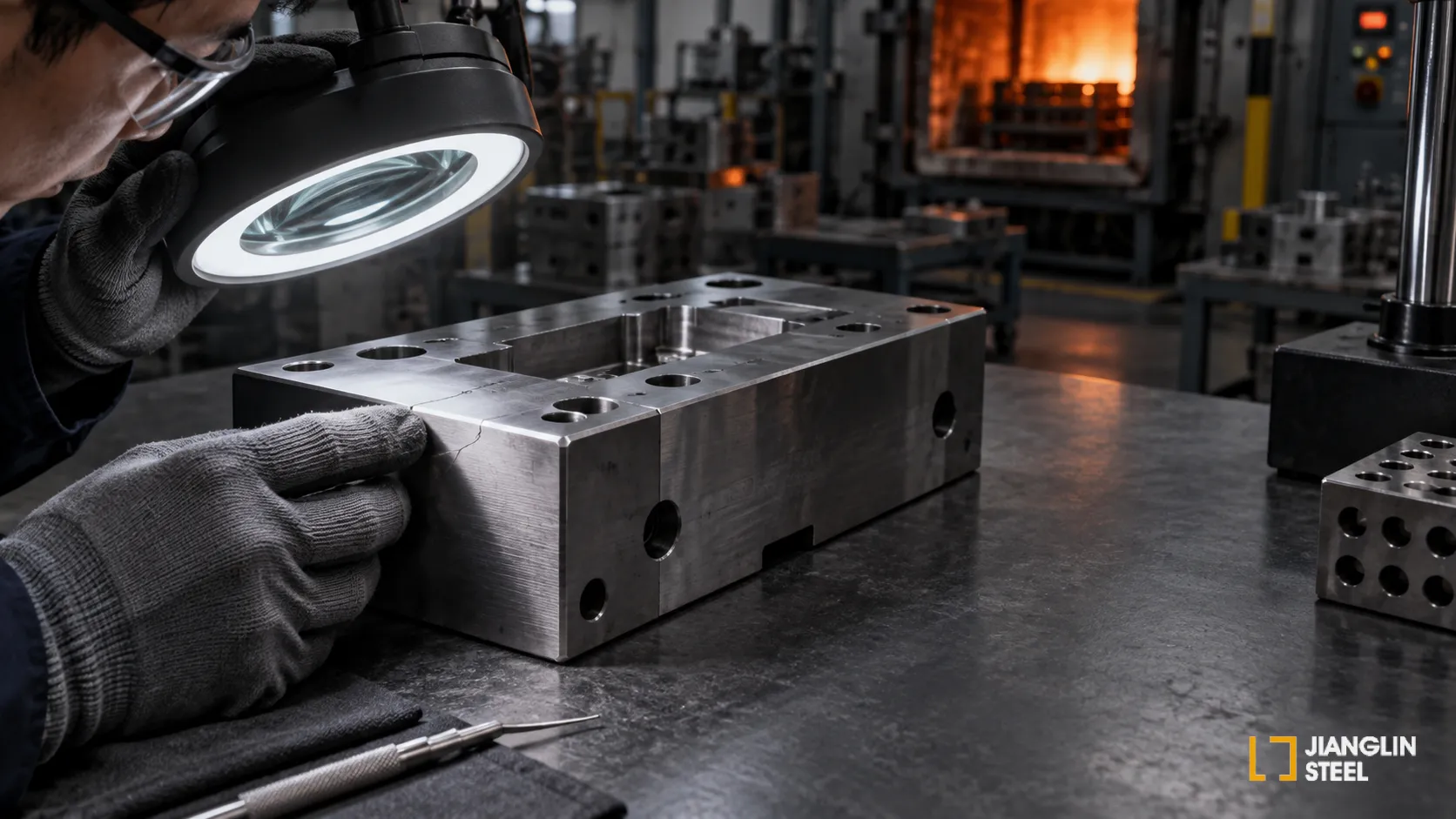
Para endurecer el acero, hay que calentarlo a una temperatura determinada. Normalmente se endurece entre 760 °C y 1300 °C. The actual temperature depends on how much carbon is present. After heating, the steel is cooled in a controlled way. This process helps the steel achieve the required hardness and strength.
El método correcto garantiza el buen rendimiento del acero aleado en aplicaciones exigentes.
For buyers, the manufacturing process matters because alloy steel performance is not decided by composition alone. Heat treatment, cooling method, surface condition, and dimensional tolerance can all affect how the material performs in the final part.
For example, quenched and tempered alloy steel may be selected when strength and toughness are required, while annealed material may be preferred when easier machining is needed before final heat treatment.
Tipos de acero aleado
Los aceros aleados varían en función del tipo y la cantidad de elementos de aleación. Cada tipo tiene una finalidad distinta.
Acero de baja aleación
Acero de baja aleación contiene menos de 5% elementos de aleación. Ofrece mejor resistencia, tenacidad y templabilidad que la acero al carbono. Mientras que el acero al carbono estándar tiene un límite elástico de 235 MPa, El acero de baja aleación alcanza 345 MPa. Esto permite utilizar secciones más delgadas sin sacrificar la resistencia, lo que posibilita diseños más ligeros y eficientes.
El acero de baja aleación es soldable y puede ser tratado térmicamente. En resiste el desgaste, el agrietamiento y la fatiga. Se comporta bien a temperaturas extremas. Se utiliza en puentes, tuberías, recipientes a presión y blindajes militares. También se utiliza en vehículos todoterreno y cascos de barcos.
Los grados más populares son 4130, que se utiliza en los sectores aeroespacial y automotríz industrias. El 4340 tiene una resistencia ultraelevada y se utiliza en piezas aeronáuticas. 300M/S155 es ideal para engranajes y ejes por su resistencia a la fatiga.
In actual purchasing, alloy steel is often selected by grade and supply form rather than by type only. Different grades may belong to the same general alloy steel category, but they can behave very differently after heat treatment, machining, or long-term service.
The grades below are common examples in industrial alloy steel applications. Actual availability should be confirmed according to grade, size, standard, heat treatment condition, and testing requirements.
| Grade / Material Type | Características clave de | Aplicaciones típicas |
|---|---|---|
| 4130 Alloy Steel | Good strength, weldability, and toughness | Tubing, automotive parts, aerospace components, and structural parts |
| 4140 Alloy Steel | High strength, good wear resistance, and good toughness after heat treatment | Shafts, gears, bolts, machine parts, and tooling components |
| 4340 Alloy Steel | High tensile strength, fatigue resistance, and toughness | Heavy-duty shafts, aircraft parts, gears, and crankshafts |
| 8620 Alloy Steel | Good carburizing properties and surface hardness | Gears, pins, bushings, and transmission parts |
| Acero para herramientas | High hardness, wear resistance, and dimensional stability | Dies, molds, punches, and cutting tools |
| Fabricante y proveedor de | Corrosion resistance and clean surface finish | Chemical equipment, food processing, marine, medical, and architectural uses |
Acero de alta aleación
El acero de alta aleación contiene más de 5% elementos de aleación. El más común es el cromo. Otros son níquel, molibdeno y vanadio. Estos elementos mejoran la resistencia a la corrosión y la tenacidad.
Pasos principales en la fabricación de es el acero de alta aleación más conocido. Suele contener al menos 10,5% cromo. Esto forma una capa pasiva que evita la oxidación. Los aceros de alta aleación funcionan bien en entornos difíciles. Resisten la oxidación, las incrustaciones y los ataques químicos.
Se utilizan en centrales eléctricas, procesos químicos, aeronáutica y espacio. aplicaciones marinas. Los grados más comunes son 405, 430, 310, etc.

Acero martensítico envejecido
El acero martensítico envejecido es una aleación única con bajo contenido en carbono. Ofrece una resistencia, tenacidad y ductilidad extremas. A diferencia de otros aceros, se endurece por precipitación intermetálica, no por precipitación del carbono. Los elementos endurecedores más comunes son Ni₃Mo, Ni₃Ti y Fe₂Mo..
El acero martensítico envejecido se utiliza a menudo en la industria aeroespacial, las herramientas y las armas. También es adecuado para Impresión 3D con tecnología DMLS.
Acero microaleado
El acero microaleado resiste la corrosión y ofrece una gran resistencia. Es laminado en caliente o laminado en frío para piezas de automoción. Los usos más comunes incluyen sistemas de suspensión, ruedas y soportes de asientos. Este tipo de acero incluye subcategorías como:
- Acero resistente a la intemperie
- Acero bifásico
- Acero de ferrita-perlita
Algunas variantes pueden ser difíciles de moldear. Para mejorar la conformabilidad, se añaden elementos como el circonio o el calcio.
Common Alloy Steel Supply Forms
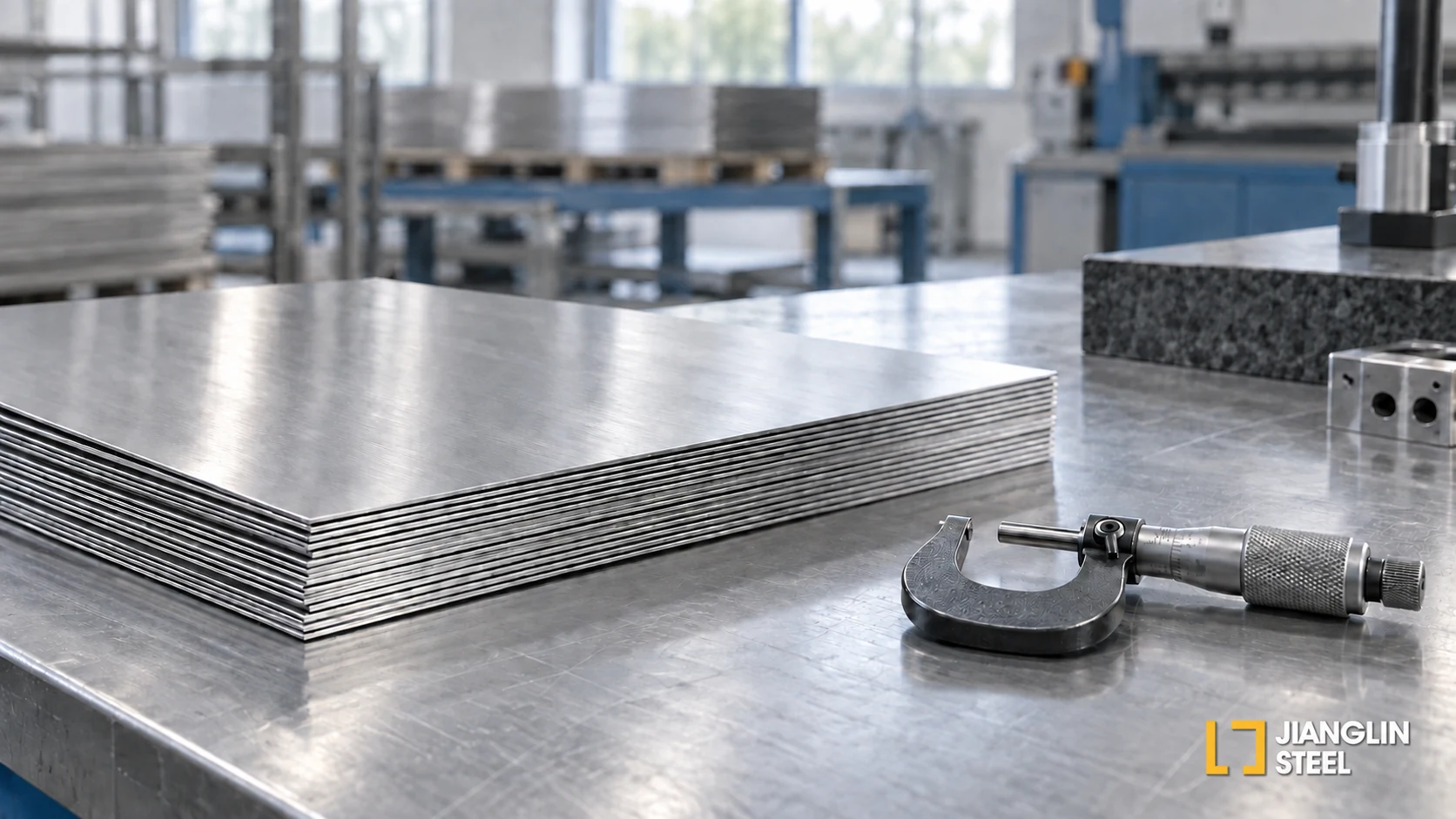
Alloy steel is supplied in different forms depending on how the material will be processed or used. For some projects, the buyer needs plate or sheet for cutting and fabrication. For others, round bar, flat bar, pipe, or tube may be more suitable for machining, structural work, or mechanical components.
The following table shows common supply forms in alloy steel purchasing. Actual availability should be confirmed according to grade, size, standard, quantity, and delivery condition.
| Formulario de suministro | Usos comunes | What Buyers Should Confirm |
|---|---|---|
| Alloy Steel Plate | Machinery bases, structural parts, pressure-related parts, and wear components | Grade, thickness, width, length, heat treatment condition, and testing requirements |
| Alloy Steel Sheet | Fabrication, covers, enclosures, and light-duty parts | Thickness, surface finish, tolerance, and cutting requirement |
| Barra redonda de acero aleado | Shafts, pins, gears, rollers, and CNC machining parts | Diameter, length, straightness, hardness, and delivery condition |
| Barra plana de acero aleado | Brackets, tooling parts, supports, and machined components | Width, thickness, length, and tolerance |
| Alloy Steel Pipe / Tube | Energy, boiler, mechanical, and structural applications | Seamless or welded type, size, standard, wall thickness, and pressure requirement |
| Custom-Cut Alloy Steel | OEM parts, fabrication blanks, and machined parts | Drawing, tolerance, cutting method, quantity, and inspection requirement |
How to Choose Alloy Steel for Your Project
Choosing alloy steel should start with the working conditions of the part, not only with the material name. A part exposed to impact, vibration, or heavy load may need toughness. A gear or sliding component may need wear resistance. A machined part may require a grade that balances hardness with machinability.
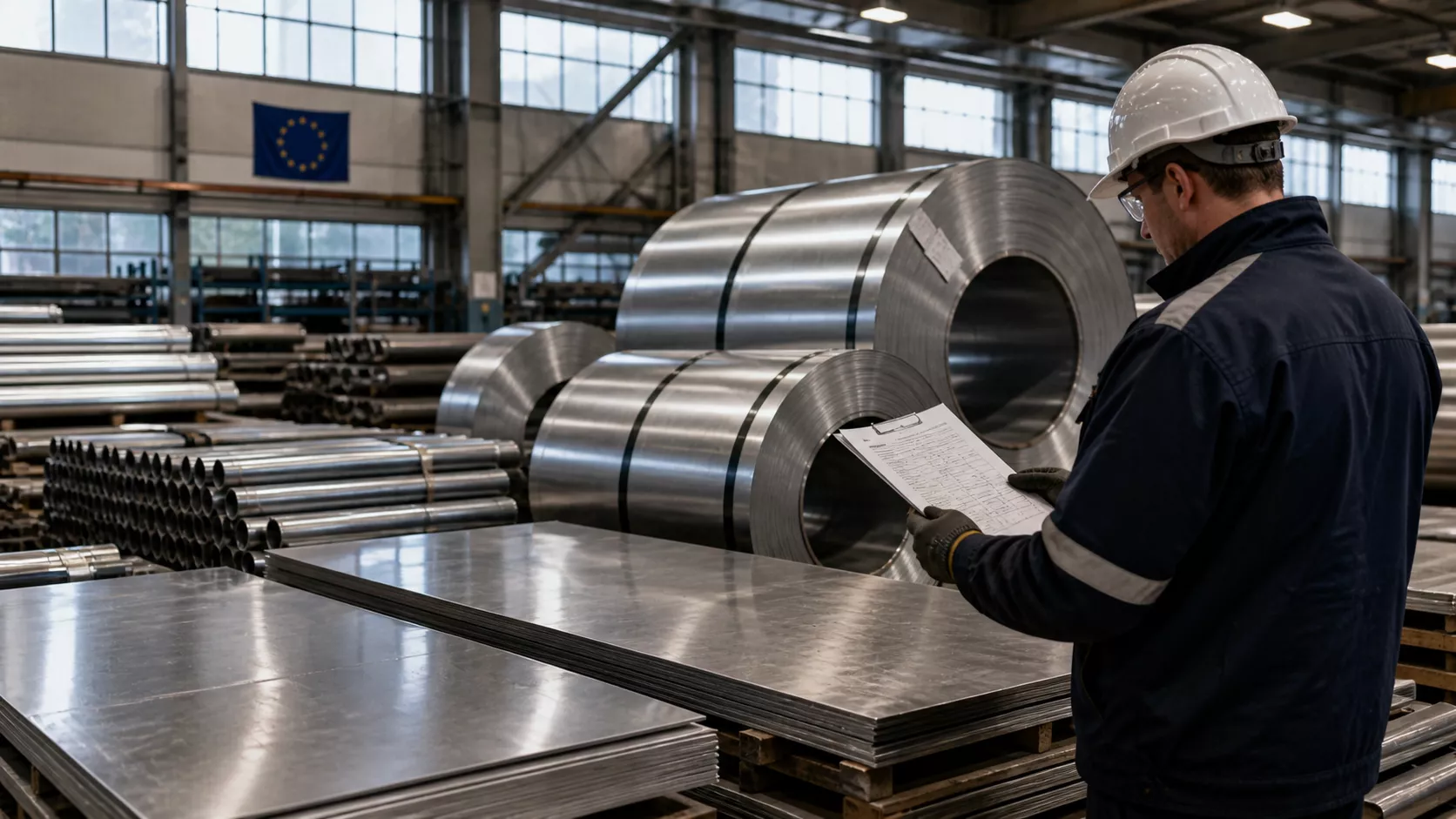
Before ordering alloy steel, buyers usually need to confirm the grade, standard, product form, size, tolerance, heat treatment condition, required hardness, mechanical properties, end-use application, and testing documents.
This step is important because two alloy steel products with the same grade may still perform differently if the heat treatment, tolerance, or inspection requirements are not the same.
PREGUNTAS FRECUENTES
What is alloy steel mainly used for?
Alloy steel is used for shafts, gears, machinery parts, pressure equipment, pipelines, tooling, automotive components, energy equipment, and custom-machined parts.
Is alloy steel stronger than carbon steel?
In many cases, alloy steel can provide higher strength, better toughness, improved hardenability, or better wear resistance than ordinary carbon steel. The actual performance depends on the grade and heat treatment condition.
What are common alloy steel grades?
Common alloy steel grades include 4130, 4140, 4340, and 8620, as well as tool steel and stainless steel grades used for special applications.
Is stainless steel a type of alloy steel?
Yes. Stainless steel is generally considered a high-alloy steel because it contains chromium and other elements that improve corrosion resistance.
What information should I provide when buying alloy steel?
You should provide the grade, standard, product form, size, quantity, heat treatment condition, application, tolerance, and any testing or certification requirements.
Conclusión
For industrial buyers, the best choice depends on the aplicación. A shaft, gear, tooling part, structural plate, or pressure-related component may all require different alloy steel grades and delivery conditions. Comparing grade, product form, processing method, and testing documents helps reduce material selection risk.
Jianglin Steel supplies stainless steel, alloy steel, and related metal materials for industrial, construction, machinery, energy, automotive, and custom fabrication projects. Depending on project requirements, Jianglin can support buyers with plate, sheet, bar, pipe, tube, and custom-cut steel materials.
If you need alloy steel materials for your project, you can send Jianglin Steel your grade, size, standard, quantity, application, and testing requirements. Our team can help review the material requirements and provide suitable supply options. Feel free to contactarnos ¡hoy!