Skip to content
Standard steel often falls short. That is where alloy steel comes in. It is made by combining iron with selected elements to improve performance. These elements enhance strength, toughness, and durability.
It plays a vital role in modern engineering. Let’s discuss what makes alloy steel so special and how it performs in today’s industrial era.

Understanding Alloy Steel
Alloy steel is a highly versatile material. It is used in many demanding industries, such as oil, gas, and aerospace. It performs well under pressure and stays strong in extreme conditions.
Steel, in its basic form, is made of iron and carbon. The steel transforms when other elements such as chromium, nickel, or vanadium are added. It becomes an alloy of steel. The result is a high-performance material. It can handle stress, heat, and harsh environments.
Its strength and durability are consistent. That is why engineers choose it for mission-critical tasks.
The additional elements make up 1 to 50 percent of the total weight. These elements improve properties like strength, toughness, corrosion resistance, and wear resistance.

Common Alloying Elements
Each alloying element brings something different to the table. Here is a breakdown:
- Manganese is one of the most common elements used. It improves strength and toughness. It also reduces brittleness. When mixed with sulphur and phosphorus, it makes the steel easier to shape.
- Chromium is well known for boosting hardness. Even a small amount, around 0.5 to 2%, makes a huge difference. Higher levels, up to 18%, protect the steel from rust and corrosion.
- Vanadium improves the grain structure. It also increases strength and heat resistance. Just 0.15% is enough to enhance performance. When paired with chromium, the steel becomes both hard and formable.
- Nickel adds toughness. It helps the steel hold up under pressure. At higher levels, it boosts corrosion resistance. This is especially true in wet or harsh environments.
- Tungsten raises the steel’s melting point. It also improves stability at high temperatures.
- Molybdenum strengthens the steel. It protects against shock, heat, and wear.
Every element has a role. The right combination creates the perfect alloy for each application.
How is Alloy Steel Made?
All the alloying elements are melted together in a furnace to make alloy steel. An electric arc furnace is commonly used. It heats the mix to over 1600°C. The process takes between 8 and 12 hours.
Once melted, the steel needs to be refined. It is annealed at high temperatures, often above 500°C. This step helps remove internal stress. It also changes the steel’s structure for better performance.

Cleaning
After annealing, the surface needs cleaning. During heating, a layer of mill scale forms. Hydrofluoric acid removes this layer. This step is called descaling. Sometimes, both annealing and descaling are repeated to improve purity.
Another way to make steel is with a blast furnace. This method turns iron ore into pig iron. It uses coke and limestone in the process. Pig iron can then be refined into steel.
Hardening
Not all alloy steels can be hardened by heat. For example, ferritic and austenitic grades cannot be hardened by heat. On the other hand, martensitic steel responds to heat treatment. It contains more carbon, which allows it to harden.
To harden steel, it must be heated to a specific range. It is usually hardened between 760°C and 1300 °C. The actual temperature depends on how much carbon is present. After heating, the steel is cooled in a controlled way. Thick locks in hardness and strength.
The correct method ensures the alloy steel performs well in demanding applications.
Types of Alloy Steel
Alloy steel varies based on the type and amount of alloying elements. Each type serves a different purpose.
Low-alloy Steel
Low-alloy steel contains less than 5% alloying elements. It offers better strength, toughness, and hardenability than carbon steel. While standard carbon steel has a yield strength of 235 MPa, low-alloy steel reaches 345 MPa. This allows the use of thinner sections without sacrificing strength, enabling lighter and more efficient designs.
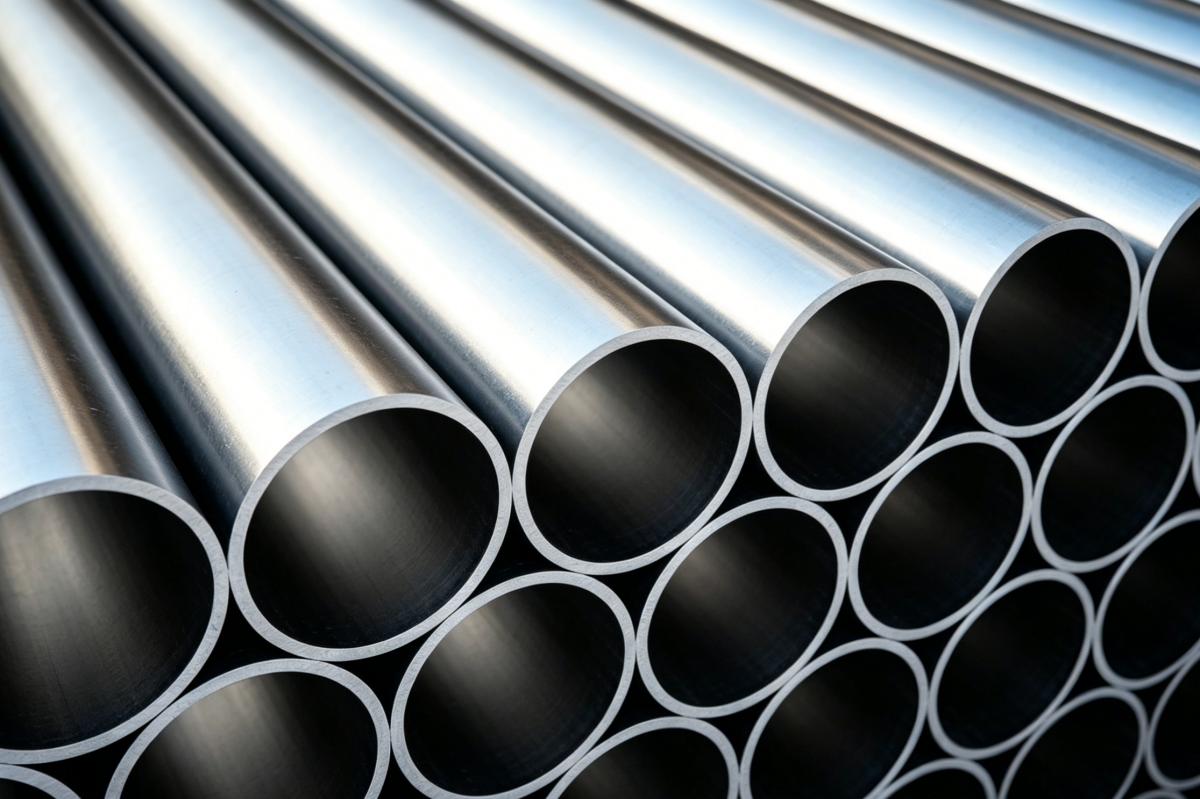
Low-alloy steel is weldable and can be heat-treated. It resists wear, cracking, and fatigue. It performs well in extreme temperatures. Common uses include bridges, pipelines, pressure vessels, and military armor. It is also used in off-road vehicles and ship hulls.
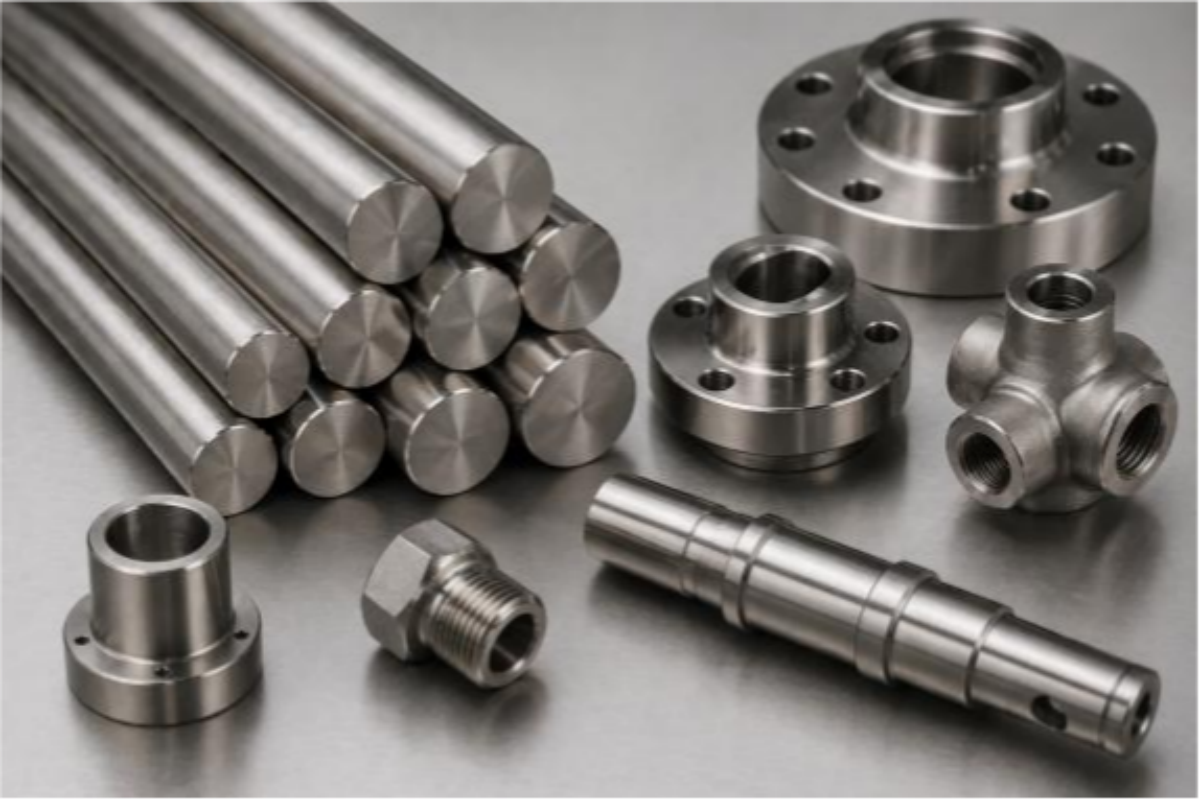
Popular grades include 4130, which is used in the aerospace and automotive industries. 4340 has ultra-high strength and is used in aircraft parts. 300M/S155 is ideal for gears and shafts due to its fatigue resistance.
High-alloy Steel
High-alloy steel contains more than 5% alloying elements. The most common is chromium. Others include nickel, molybdenum and vanadium. These elements improve corrosion resistance and toughness.
Stainless steel is the most well-known high-alloy steel. It typically contains at least 10.5% chromium. This forms a passive layer that prevents rust. High-alloy steels perform well in harsh environments. They resist oxidation, scaling and chemical attack.
They are used in power plants, chemical processing, aerospace, and marine applications. Common grades include 405, 430, 310, etc.

Maraging Steel
Maraging steel is a unique alloy with low carbon content. It offers extreme strength, toughness, and ductility. Unlike other steels, it is hardened by intermetallic precipitation, not the precipitation of carbon. Common hardening elements include Ni₃Mo, Ni₃Ti, and Fe₂Mo.
Maraging steel is often used in aerospace, tooling, and weapons. It is also suitable for 3D printing using DMLS technology.
Micro-alloyed Steel
Micro-alloyed steel resists corrosion and delivers high strength. It is hot-rolled or cold-rolled for automotive parts. Common uses include suspension systems, wheels, and seat brackets. This steel type includes subcategories like:
- Weathering steel
- Dual-phase steel
- Ferrite-pearlite steel
Some variants can be hard to form. To improve formability, elements like zirconium or calcium are added.
Conclusion
Alloy steel has transformed modern engineering. It offers strength, durability, and resistance where standard steel falls short. With growing demand in industries like automotive and aerospace, its role is only increasing. It is built to handle pressure, heat, and stress with ease. As technology advances, so will the need for smarter materials.
Choose Jianglin for premium-grade alloy steel, which is trusted by engineers, manufacturers, and builders in various industries and demanding applications. Feel free to contact us today!