Skip to content
ASTM A276 is a key standard for stainless steel bars and shapes used in industrial applications. This standard covers the chemical composition, mechanical properties, dimensions, and surface finish.
ASTM A276 ensures consistent quality across different product forms. It applies to both hot-finished and cold-finished materials. This article explains the scope and key features of ASTM A276. It also highlights common grades and product forms. Each section provides clear guidance to help buyers and engineers in the selection of suitable materials.
What Is ASTM A276?
ASTM A276 sets the requirements for stainless steel bars and shapes used in general engineering and structural applications. This section explains the scope of the standard and the range of products it covers.
Scope of the standard
The standard explains chemical composition and mechanical properties. It also covers heat treatment and surface finish. This standard is used for corrosion-resistant and high-temperature service.
Products covered under A276
ASTM A276 covers a wide variety of product forms. This includes round bars, square bars, hex bars, flat bars, and structural shapes. Both hot-finished and cold-finished products are covered in this standard. The standard supports multiple applications due to the variety of product forms.
Common Product Forms
ASTM A276 includes a variety of bar and shape forms designed for different engineering purposes. This section and Table 01 explain the most common product forms used in the ASTM A276:
Round bar
A round bar is a solid, cylindrical metal bar with a circular cross-section. These bars offer good strength and balanced mechanical properties. They are suitable for shafts, fasteners, and rotating components.

Flat bar
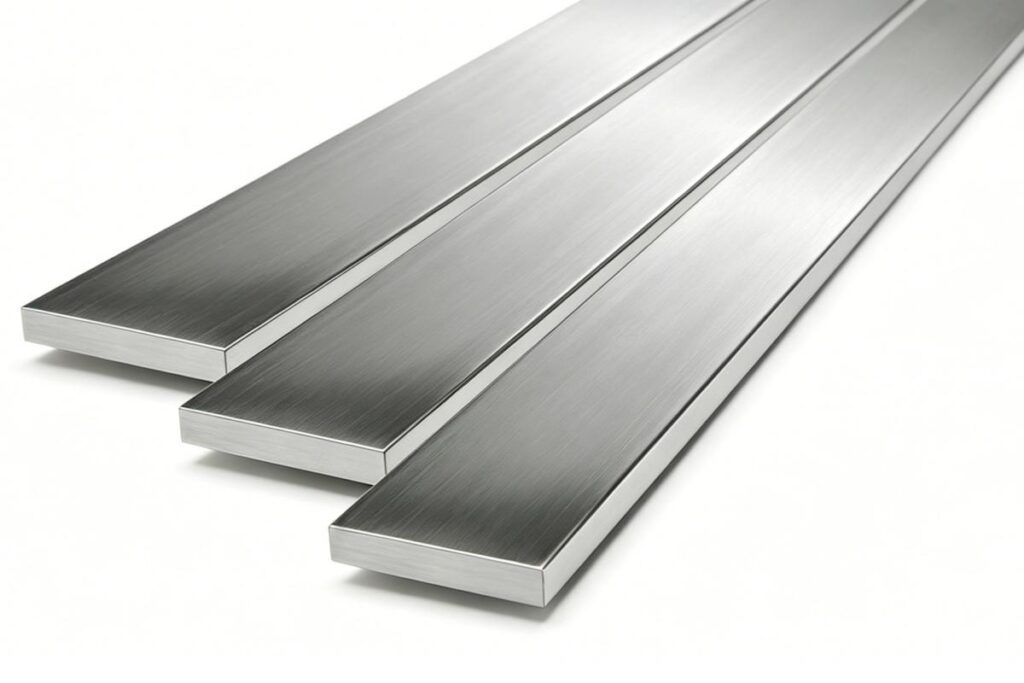
A flat bar (as shown below) is a solid metal bar with a rectangular cross-section. They provide a large surface area, making them suitable for brackets, frames, and base plates. They are also easy to cut and weld.
Hex bar
As shown below, the hex bar consists of a six-sided shape that allows for easy gripping during machining and assembly. They are preferred in applications requiring precise dimensional control. Hex bars are primarily used for manufacturing bolts, nuts, and fasteners.

Angles and shapes
Other structural shapes include channels, tee sections, squares, rectangles, and custom profiles. The angle bars (as shown below) and other structural shapes are widely used in frameworks, supports, and construction parts. They provide strength and stability in load-bearing use.
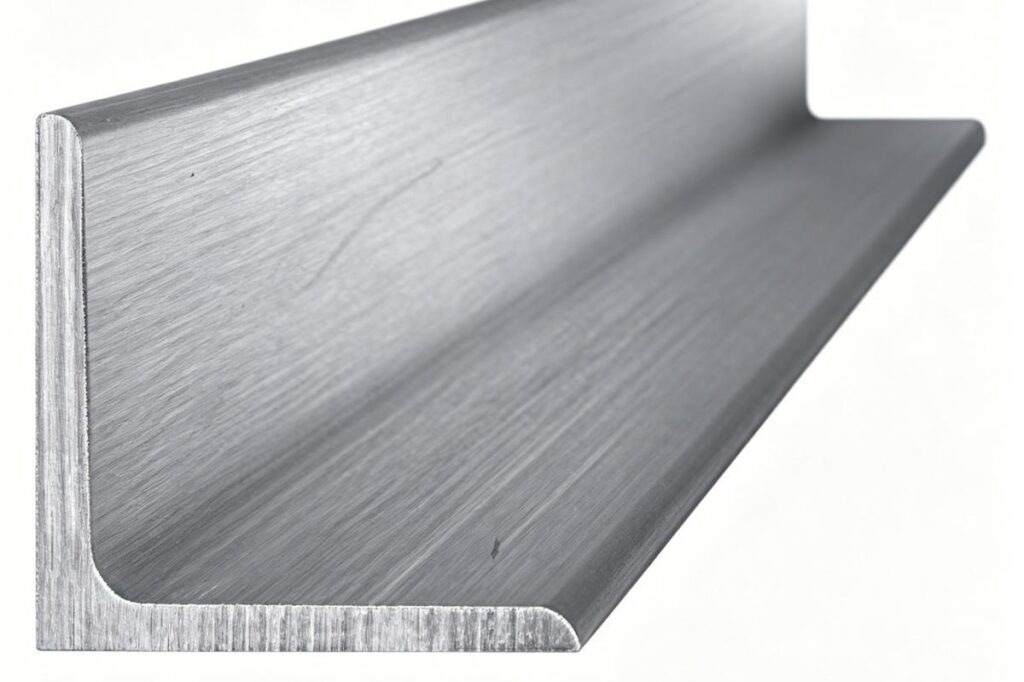
Table 01: Comparison of Stainless Steel Bar Shapes and Their Applications
Shape | Strength | Appearance | Typical Use |
Round Bar | High, uniform strength | Smooth, symmetrical | Shafts, fasteners, machining components |
Flat Bar | Moderate to high | Flat surface | Brackets, frames, base plates |
Hex Bar | High | Defined edges for grip | Nuts, bolts, precision fasteners |
Square Bar | High | Clean, uniform edges | Structural supports, frames |
Angles | High (load-bearing) | L-shaped profile | Structural frameworks, supports |
Channels | High (sectional strength) | C-shaped profile | Frames, support structures |
Tee Sections | Moderate to high | T-shaped profile | Stiffeners, structural supports |
Common Grades Under ASTM A276
ASTM A276 covers a range of stainless steel grades for different applications. Table 02 and the following section highlight the most commonly used grades and their key characteristics.
304/304L
These grades are the most widely used austenitic stainless steels. They offer good corrosion resistance and excellent formability. 304L has lower carbon content, and it reduces the risk of carbide precipitation.
316/316L
These two grades provide enhanced corrosion resistance. 316/316L contains molybdenum, which improves resistance against pitting and a chloride environment. 316L is preferred for welded applications due to its low carbon content.
410/420
These two grades are martensitic stainless steels and contain a carbon content of 0.1%. These grades are known for high strength and hardness. They can be heat-treated to achieve improved mechanical properties. They are commonly used in applications requiring wear resistance.
430 and other grades
430 is a ferritic stainless steel with good corrosion resistance in mild environments. It offers good formability and is cost-effective compared to austenitic grades. Other grades under ASTM A276 include 303 for improved machinability. The 310/310S grades are used for high-temperature service, and 321/347 for stabilized corrosion resistance. Grades like 416 and duplex 2205 are also used where higher strength and wear resistance are required.
Table 02: Comparison of Common ASTM A276 Stainless Steel Grades and Their Applications
Grade | Type | Corrosion Resistance | Key Feature | Typical Application |
304 / 304L | Austenitic | Good | Excellent formability and weldability | General fabrication, food equipment, structures |
316 / 316L | Austenitic | Excellent (especially in chlorides) | Molybdenum for improved pitting resistance | Marine, chemical, and coastal environments |
410 | Martensitic | Moderate | High strength and hardness (heat treatable) | Shafts, fasteners, valves |
420 | Martensitic | Moderate | Higher hardness than 410 | Cutting tools, surgical instruments |
430 | Ferritic | Moderate (mild environments) | Cost-effective, good formability | Decorative applications, appliances |
303 | Austenitic | Good | Improved machinability | Precision parts, fittings |
2205 | Duplex | Very High | High strength and stress corrosion resistance | Oil & gas, chemical processing |
Technical Requirements Buyers Need to Know
ASTM A276 explains the key technical requirements that ensure product quality for the application. The following main factors buyers should review before placing an order.
Chemical composition
The standard specifies limits for elements such as chromium, nickel, and carbon. These elements control corrosion resistance, strength, and overall performance. Buyers must select the correct grade based on the service conditions.
Mechanical properties
The buyers should focus on the mechanical requirements under the ASTM A276 standard. This includes tensile strength, yield strength, and hardness. These properties determine the material’s ability to withstand loads. They are critical for structural and load-bearing applications.
Straightness and dimensions
Buyers should clearly specify required tolerances. This standard also sets the tolerances for size, shape, and straightness. The proper dimensional and straightness control ensures ease in the fit-up of parts during installation.
Surface condition
Surface finish requirements depend on the application. The hot-finished, cold-finished, and polished surfaces can be done on the surfaces. A proper surface improves appearance and service performance.
ASTM A276 vs ASTM A479
ASTM A276 and ASTM A479 standards are used for different application needs. The following section explains the key differences in terms of general use and pressure service requirements.
General bar and shape supply
ASTM A276 is used for general engineering and structural applications. It covers a wide range of stainless steel bars and shapes with a focus on mechanical properties, dimensions, and surface finish. It is commonly used where appearance and fabrication are important.
Pressure-service applications
ASTM A479 is designed for pressure and high-temperature service applications. It includes stricter requirements for mechanical properties, heat treatment, and testing. It is used where strength and reliability are essential. It is commonly used in pressure vessels, boilers, and critical components.
How to Specify ASTM A276 Material
ASTM A276 requires clear specifications to ensure the material meets application needs. The following section outlines the key details that buyers should define when placing an order.
Product form and size
ASTM A276 specifies the required form, such as round, flat, hex, or structural shape. This standard also clearly defines dimensions, including diameter, thickness, width, and length. The accurate sizing ensures proper fit and reduces machining work.
Grade and finish
The selection of the stainless steel grade should be based on corrosion resistance and strength needs. Also, specify the surface finish, such as hot-finished, cold-finished, or polished. The wrong surface finish affects both performance and appearance.
Tolerance and straightness
Buyers need to specify the required dimensional tolerances and straightness limits from the ASTM A276. The buyers may need to specify the tight tolerances for precision applications.
Documentation
The buyer needs to specify the relevant documents before placing the order. The documents may include mill test certificates (MTC) and inspection reports. These documents confirm compliance with the standard requirements.
Common Procurement Mistakes
The common mistakes buyers should avoid during procurement. ASTM A276 requires clear specifications in the RFQ to avoid performance issues.
Ordering only by grade
The common mistake buyers make is specifying only the material grade. Mostly, buyers missed the important details, such as size, finish, and tolerances. This can lead to receiving material that does not meet application requirements.
Omitting the straightness requirement
Failure to define straightness limits can cause problems during machining and installation. Clear straightness limits help to ensure proper use. Otherwise, the buyers may need extra processing, which increases time and cost.
Confusing bar and shape standards
Most buyers mix the ASTM A276 with other standards like ASTM A479. This results in incorrect material selection. Proper identification of the right standard ensures the material is suitable for the intended application.
Conclusion
ASTM A276 standard helps in the selection of stainless steel bars and shapes. It also ensures consistency in chemical composition, mechanical properties, size, and surface finish. This standard is known to explain the requirements for different product types and grades. This helps the buyer to make correct buying decisions. Avoiding mistakes and defining clear details ensures the material meets performance needs. Inquire with Jianglin today for a quote on high-quality stainless steel bars that meet the rigorous standards of ASTM A276.
FAQ About ASTM A276
1) What is ASTM A276 used for?
It is used for stainless steel bars and shapes in general engineering and structural applications. It is used where strength, corrosion resistance, and good surface finish are required.
2) Does ASTM A276 cover pressure applications?
No, it is not intended for pressure or high-temperature service. The standards, like ASTM A479, are used for such applications.
3) What types of products are included in ASTM A276?
It includes round bars, flat bars, hex bars, and various structural shapes. These shapes are used in machining and fabrication.
4) How does ASTM A276 differ from other stainless steel standards?
It focuses on general-purpose bars and shapes, while other standards may focus on pipes, tubes, or pressure-rated components with stricter testing requirements.