Skip to content
In modern architecture, product design, and interior decoration, stainless steel is admired not just for its strength and corrosion resistance but also for its aesthetic potential. Once known only for its silver-gray shine, stainless steel can now be transformed into stunning shades of gold, bronze, black, blue, and rose through advanced surface coating technologies.
The two most popular color finishing techniques today are Physical Vapor Deposition (PVD) and spray/paint coating. Both methods enhance the decorative appeal of stainless steel, but they differ significantly in process, durability, environmental impact, and cost.
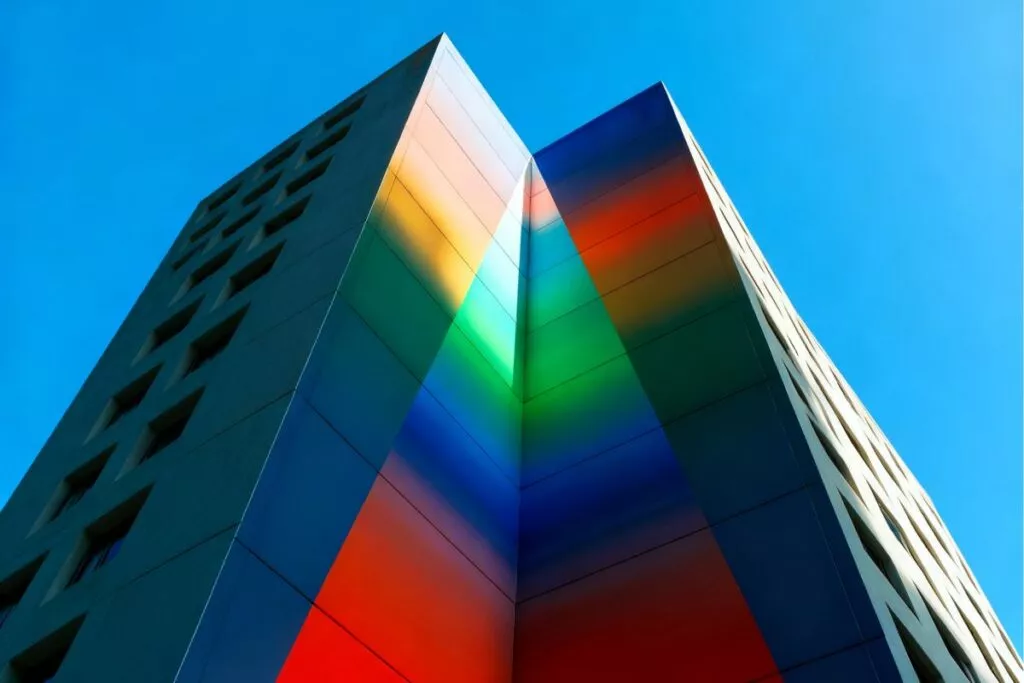
If you’re evaluating which technique to use for your next project — whether it’s an architectural facade, elevator panel, furniture surface, or kitchen appliance — this color coating comparison will guide you through the technical and practical differences between PVD stainless steel sheets and painted stainless steel.
Understanding Stainless Steel Coloring

Before diving into PVD and paint coating, it’s useful to understand how stainless steel can be colored. Traditionally, two scientific processes are used:
- Electrochemical oxidation – uses an electrolyte solution and electrical current to thicken the metal’s passive film, creating vibrant hues like gold, bronze, blue, green, or black.
- High-temperature oxidation – exposes the surface to heat to form a thin oxide layer that reflects light differently, producing earthy tones like brown or purple.
However, both these methods have limitations in durability and consistency. That’s why more advanced surface coating technologies like PVD and spray/paint coating have become the go-to solutions for designers who seek color flexibility, performance, and longevity.
Physical Vapor Deposition (PVD) vs. spray/paint coating
Both methods achieve decorative color finishes, but the science behind them is fundamentally different.
Physical Vapor Deposition (PVD) involves vaporizing a solid metal (like titanium or zirconium) inside a vacuum chamber. These vaporized atoms bond directly to the stainless steel surface, forming a thin, dense, and uniform metallic film.
Spray or paint coating, on the other hand, involves applying liquid paint — often containing pigments, binders, and solvents — onto the steel surface using brushes or spray guns. The coating is then cured through air drying or heat.

Here’s how the two compare at a glance:
Feature | Physical Vapor Deposition | Spray/Paint |
Durability | Extremely high; resists wear and scratching. | Moderate; depends on paint quality and curing process. |
Corrosion Resistance | Excellent due to dense, pore-free coating. | Moderate; damaged areas can expose steel to corrosion. |
Film Thickness | Very thin (1–5 microns), uniform even on edges. | Thicker but less uniform, especially on complex shapes. |
Bonding Mechanism | Chemical bond — atoms fuse with substrate. | Mechanical bond — paint adheres physically to surface. |
Environmental Impact | Eco-friendly; no VOCs or toxic chemicals. | Often high VOC content; generates hazardous waste. |
These distinctions are critical when considering performance, maintenance, and long-term aesthetics in commercial or architectural projects.
Durability and Corrosion Resistance Comparison
For any surface finish, durability is often the deciding factor — especially for B2B buyers who prioritize return on investment (ROI) and maintenance efficiency.
PVD coatings are known for their exceptional hardness and wear resistance. They can reach hardness levels up to 2500 HV, far exceeding that of chrome or painted finishes. The process creates a compact, uniform layer that acts as a barrier against scratches, moisture, and corrosion. Even in humid or coastal environments, PVD-coated stainless steel maintains its appearance for decades with minimal maintenance.
Paint coatings, while versatile, rely heavily on surface preparation and paint quality. Over time, exposure to UV light, temperature changes, or mechanical abrasion can cause paint to fade, peel, or chip. Once the protective paint layer is compromised, corrosion can start beneath the surface, reducing the lifespan of the component.
In short, when longevity and weather resistance are priorities, PVD stainless steel sheets clearly outperform painted stainless steel.
How PVD forms a harder and more uniform layer
The Physical Vapor Deposition process takes place in a highly controlled vacuum chamber. Here’s how it works:
- A metal target (often titanium, zirconium, or chromium) is heated or bombarded with plasma until its atoms vaporize.
- These vaporized particles travel through a gas (like nitrogen or argon) and condense onto the stainless steel substrate.
- As they settle, they form a nanometer-thin, highly adherent metallic film that’s chemically bonded to the surface.
This atomic-level bonding ensures that the coating does not peel, flake, or chip. The process also enables consistent deposition across complex geometries — ideal for architectural panels, bathroom fittings, or precision components where uniform color and finish are essential.
By contrast, spray painting relies on manual application, which can result in inconsistencies in layer thickness. Factors such as spray distance, movement speed, and environmental humidity can affect the finish, making it less reliable for projects requiring precision and uniformity.
Aesthetic Quality and Color Uniformity
In architecture and product design, appearance is everything. Clients expect stainless steel finishes that look as refined as they are durable.
PVD finishes deliver a premium, high-end appearance with a subtle metallic luster that remains stable over time. Because the color originates from light interference within the thin film rather than from pigments, it does not fade or discolor, even after prolonged exposure to sunlight or moisture. The result is a brilliant, consistent finish across all components — ideal for facades, interior cladding, furniture, and luxury appliances.
Painted stainless steel, on the other hand, can offer a wider palette of colors, including matte and textured finishes. However, paint quality and application technique directly affect the outcome. Poorly applied paint may show uneven coverage, color variations, or brush marks. Over time, exposure to UV rays can also cause fading or chalking, diminishing the initial aesthetic appeal.
For projects demanding color uniformity and long-lasting elegance, PVD remains the superior choice.
Cost and Maintenance Considerations of PVD Vs. Spray/Paint Coating
Cost is often a decisive factor in material selection. While PVD involves a higher initial investment due to specialized equipment and vacuum processing, its long-term savings make it more cost-effective over time.
Feature | Physical Vapor Deposition | Spray/Paint |
Initial cost | Higher (advanced process and setup) | Lower (basic tools and materials) |
Maintenance | Minimal — resistant to corrosion and fading | Frequent touch-ups required |
Durability | 10–25 years lifespan | 3–7 years lifespan (average) |
Environmental cost | Very low | High (VOC emissions, waste) |
Rework and repairs | Difficult but rarely needed | Easy but frequent |
If your project prioritizes longevity, sustainability, and premium aesthetics, PVD stainless steel is a strategic investment. On the other hand, if you’re working with tight budgets, short-term installations, or require frequent color updates, painted stainless steel can still be a viable choice.
Pros and Cons Summary
PVD Coating – Pros
- Outstanding hardness and wear resistance
- Long-lasting color and gloss retention
- Environmentally friendly, no toxic chemicals
- Low maintenance and high ROI
- Ideal for luxury, architectural, and commercial applications
PVD Coating – Cons
- Higher initial cost
- Requires specialized equipment and expertise
- Limited to metallic finishes
Spray/Paint Coating – Pros
- Lower setup cost and faster application
- Wide range of colors and finishes
- Easier to rework or touch up
Spray/Paint Coating – Cons
- Shorter lifespan, prone to fading or chipping
- Higher maintenance and environmental impact
- Variable quality depending on application method
When to Choose PVD or Painted Stainless Steel
Choose PVD stainless steel sheets when:
- The project demands premium aesthetics and long-term durability.
- Environmental sustainability is a concern.
- You need a uniform, metallic finish resistant to wear and corrosion.
- Applications include interior panels, elevator doors, kitchen equipment, or exterior cladding.
Choose painted stainless steel when:
- You need a low-cost solution for temporary or small-scale projects.
- Durability is not a top priority.
- You want custom textures or non-metallic colors.
- On-site touch-ups and repairs are expected.
Conclusion
The choice between PVD vs. painted stainless steel ultimately comes down to your project goals. If you value long-term durability, minimal maintenance, and superior aesthetics, PVD stainless steel sheets are unmatched. They provide consistent color, corrosion resistance, and a luxurious finish that lasts for decades — making them the preferred choice for high-end architecture, interior design, and industrial applications.
However, if cost and flexibility are more critical than lifespan, painted stainless steel remains a practical option for temporary installations or color-sensitive projects.
At Jianglin Steel, we specialize in customized PVD coatings available in a wide range of colors, from elegant gold to modern black and champagne tones. Our color coating solutions combine technical excellence with artistic precision — helping architects, designers, and manufacturers bring their creative visions to life.
Contact us today to learn more about our decorative PVD stainless steel sheets and explore how we can support your next project with world-class surface solutions.