Skip to content
Slips and falls cause over 1 million hospital emergency room visits each year. That is why materials like checker plates are crucial in high-risk areas. Their raised, textured surface cuts accidents by offering a better grip. You can find them used everywhere. They are functional and also very durable.
It is more than just metal. Let’s find out what makes this simple sheet a powerful safety tool.
What Exactly is a Checker Plate?
A checker plate is a metal sheet with a raised pattern on one side. The other side stays smooth. The pattern can be diamonds, lines or teardrops. These bumps add grip. They also give the metal extra strength.
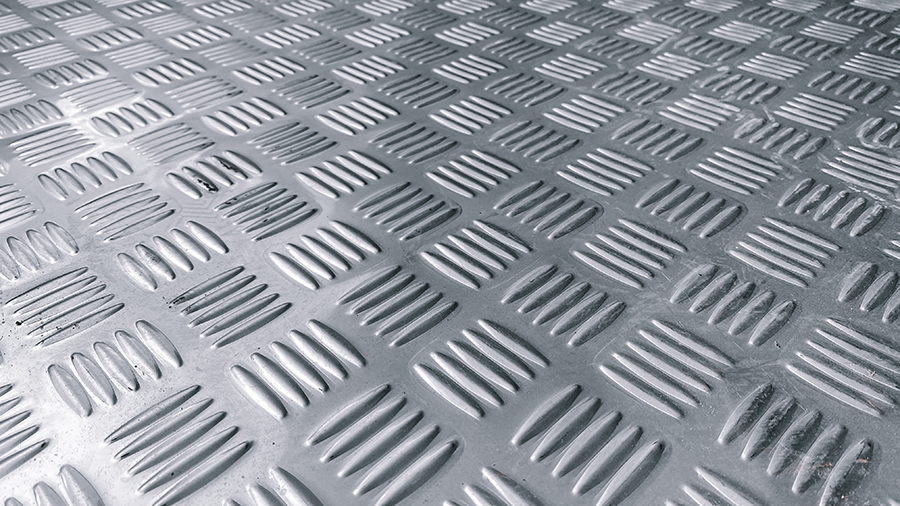
You will find it in places where slipping could be risky. You can spot it on stairs, walkways, trucks, and factories. It is durable and functional. However, it is not just about safety. The design also looks rugged and stylish.
How is a Checker Plate Made?
The process of making a checker plate is called hot rolling. It starts with a flat sheet of metal. The sheet is heated to a high temperature.
Rollers press the pattern onto the metal. This gives the plate its textured surface. The process also hardens the material.
Different patterns can be pressed. The most common are diamond and bar patterns. Each one offers a unique look and feel. Manufacturers can also make it in different thicknesses. Some are thin and light. Others are thick and strong for heavy-duty use.
This rolling process is also fast and efficient. This makes it an affordable choice for many industries.
What Materials are Used?
Checker plates come in different materials. Each material suits different needs. The most common ones include:
The aluminum plate is lightweight and resists rust. It is perfect for vehicle floors and toolboxes. On the other hand, mild steel is heavier, stronger, and cost-effective. However, it needs a coating to resist rust. Stainless steel plate is the best for durability. It fights rust naturally. Moreover, it shines for years with little maintenance.
Each type has its advantages. The choice depends on where and how it will be used.
Common Uses
Checker plates are everywhere. It is found in homes, industries, and vehicles.
Stairs and Ramps:
You often see it used on outdoor stairs. Also on ramps leading into buildings. The extra grip helps people move safely.
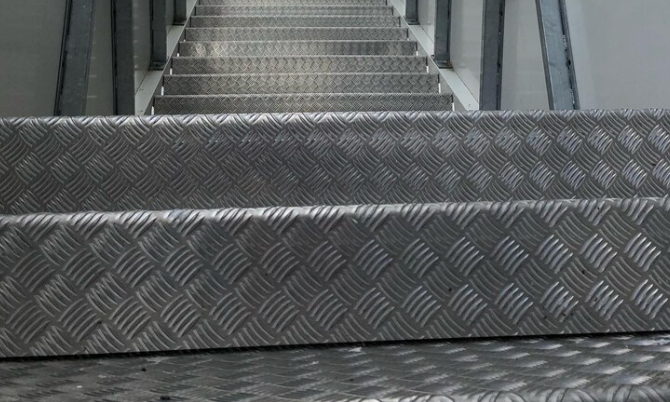
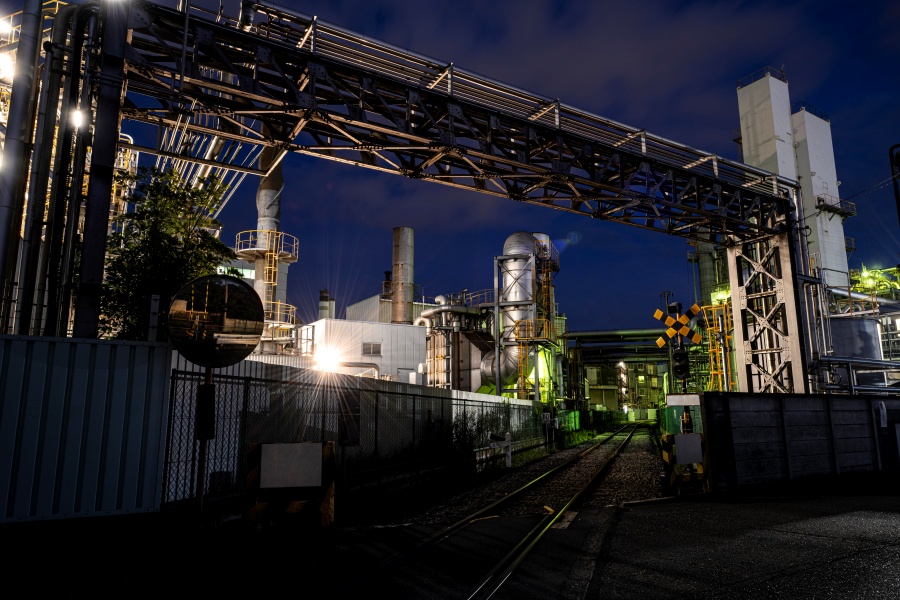
Factories and Industrial Plants
You can also find it in walkways and machine bases. All surfaces need to be able to handle spills and heavy foot traffic.
Trucks and Trailers
Truck beds and loading ramps need tough surfaces. This special metal plate keeps goods from sliding around.

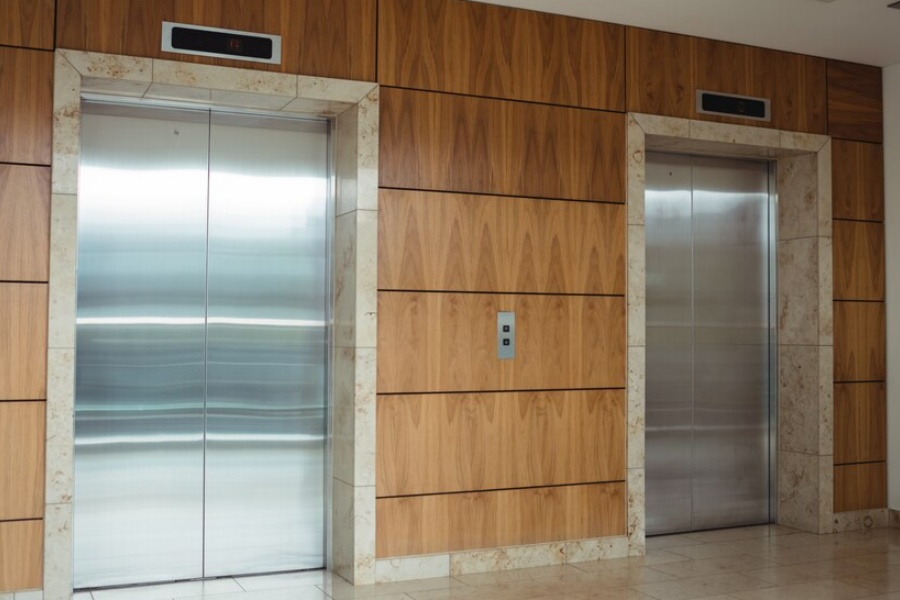
Elevators
This unique metal is usually featured on the floors of service elevators. It easily handles heavy carts, luggage, and equipment.
Toolboxes and Storage Units
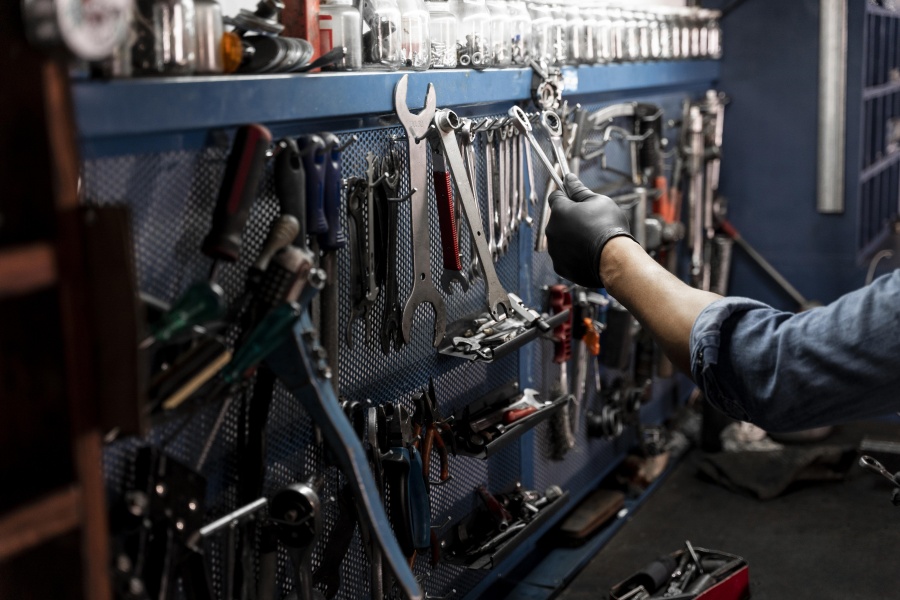
Some toolboxes use this metal sheet on the outside. It gives a rugged look. Plus, it adds durability.
Fire Trucks and Emergency Vehicles
Safety is crucial here. So vehicles often have these metal steps and floors.

Key Features
What makes a checker plate stand out? It is not just about looks. It comes with the following features:
- Slip resistance:The number one feature. The raised texture gives shoes or wheels an extra grip. It reduces the risk of falls, especially on wet or oily surfaces.
- Strength:The metal base is tough. Stainless steel is even tougher. It handles pressure. It can hold up under the weight of vehicles and heavy tools.
- Durability: It resists wear and tear. It lasts for years without losing shape.
- Low maintenance:Cleaning a checker plate is easy. Dirt does not stick well to the raised parts. A simple hose down or wipe keeps it clean.
- Appearance:It looks industrial, and it also feels strong. Some people even use it as a design feature in modern spaces.
These features explain why it is used in so many industries.
Different Types of Patterns
Patterns are not just for looks. They serve important roles. The most popular ones are:
- Diamond pattern
- Five-bar pattern
- Teardrop patterns
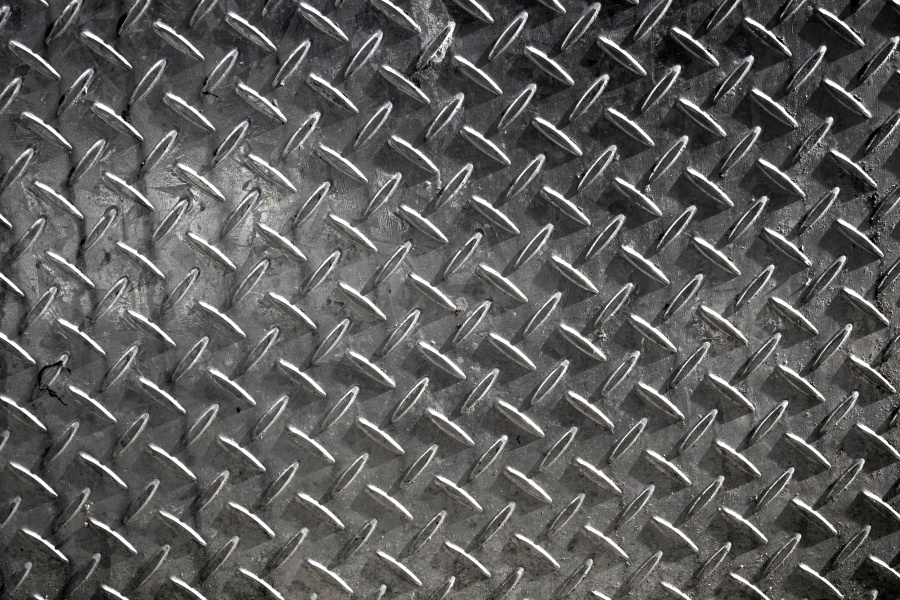
The diamond pattern is the classic style. It is good for general anti-slip needs and heavy-duty use.
The five-bar pattern has five raised bars crossing each other. It provides a stronger grip. It is stylish and functional. On the contrary, single-bar patterns are simple and clean. They are great for indoor use. The teardrop pattern is a bit softer. It is often used where looks matter more.

Choosing the right pattern depends on the purpose and the setting. However, the pattern on a checker plate is not just for decoration. It is smart engineering. Raised surfaces create more friction. More friction means better grip. You stay stable even when surfaces are wet, greasy, or dirty.
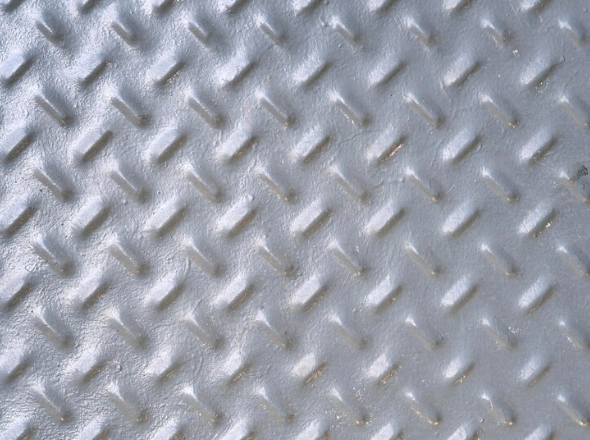
Without the pattern, metal sheets could be dangerous. They become slippery with even a little moisture. The texture breaks the surface tension of liquids. It helps drain water or oil away from your feet or tires.
FAQs
How do you maintain a checker plate?
Use mild soap and water for stainless steel and aluminum. A soft brush helps clean dirt from the grooves. You may need to reapply coatings for mild steel plates to prevent rust. Avoid harsh chemicals. They can dull the surface and damage the metal. Though rare, dents can happen. Fix them early to keep the sheet strong.
Is the checker plate eco-friendly?
Aluminum and stainless steel can be melted down and reused. This reduces waste and saves resources. Choosing recyclable materials helps businesses meet environmental goals.
What are the common mistakes to avoid when choosing a checker plate?
When choosing a checker plate, avoid these mistakes:
- Picking the wrong material
- Choosing the wrong thickness
- Ignoring the load requirements
- Overlooking slip resistance needs
- Contacting unreliable supplier
Get expert advice if unsure. It saves money and prevents safety risks.
Conclusion
A checker plate is much more than a sheet of metal. It’s safety under your feet. It provides strength under heavy loads. Moreover, it offers durability that stands the test of time. Whether in factories, trucks, or homes, it proves its worth every day. It also proves that smart design can change the way we live and work.