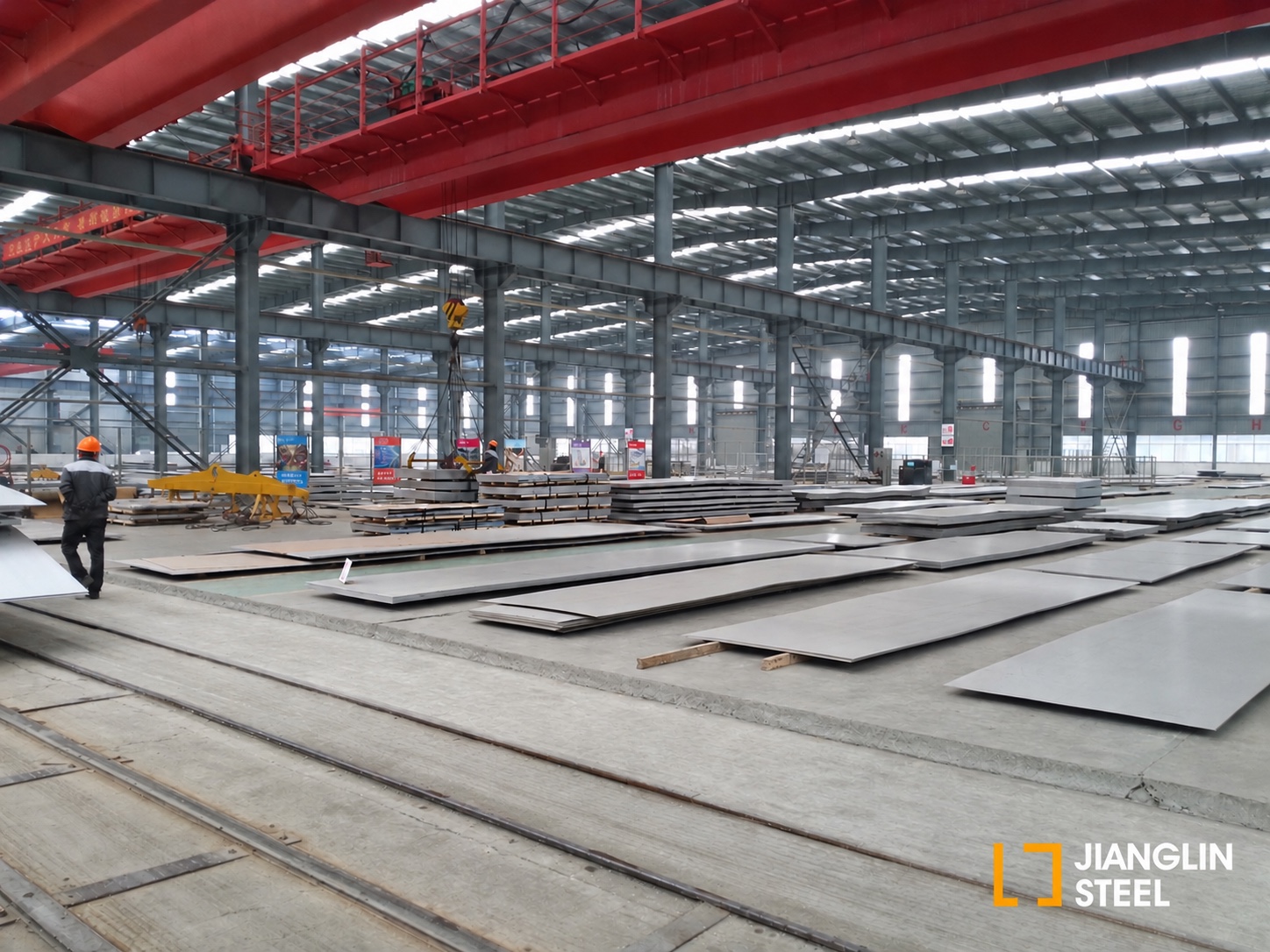
Stainless Steel Surface Finishes and Appearance Requirements
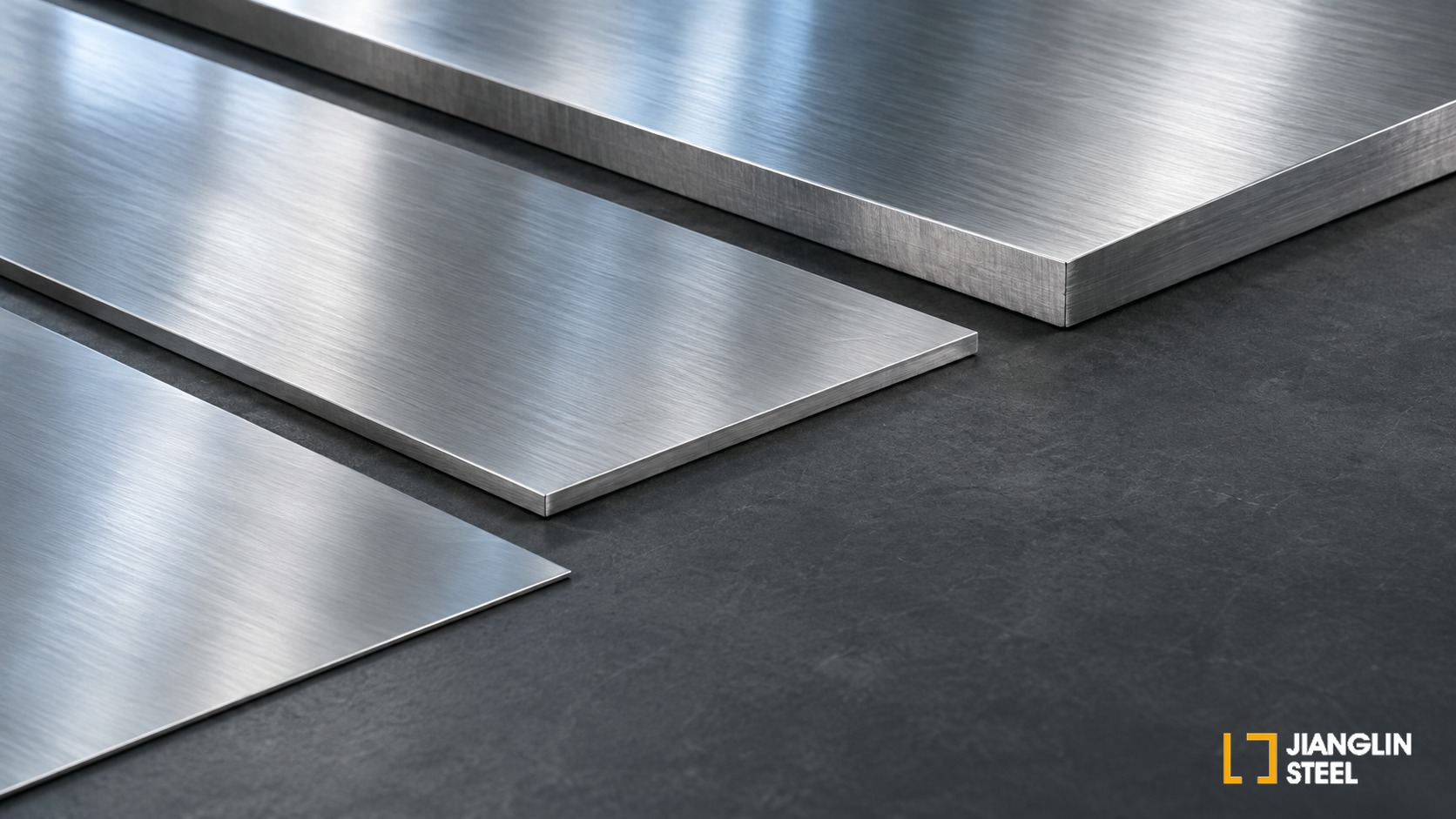
In this industrial purchasing context, “SS” means stainless steel. What color is SS? Clean, uncolored stainless steel typically has a silver-gray metallic appearance. Its brightness and texture depend on the surface finish, so a purchasing specification should identify the finish as well as the desired appearance.
For a purchasing specification, go beyond a color name. Describe the appearance you want, identify the material requirements separately, and propose a reference sample for supplier review. This gives the quotation a clearer basis without assuming a particular finish or coloring process is available.
| Surface condition | Typical appearance |
|---|---|
| 1D, hot rolled and pickled | Rough, dull surface |
| 2D | Smooth, matte surface with low reflectivity |
| 2B | Smooth, moderately reflective surface |
| BA, bright annealed | Smooth, bright, highly reflective surface |
Hot-rolled stainless steel that has not been descaled may retain a black oxide scale, so its appearance differs from a clean, descaled surface.
Key Takeaways
- Specify the intended appearance alongside the product form, material requirements, dimensions and quantity.
- Ask the supplier to distinguish the base surface, requested finish and any applied color treatment in its proposal.
- Propose a reference sample and written acceptance criteria rather than relying solely on a color name.
- Request documentation for material identity and performance requirements separately from appearance approval.
- Confirm any particular colored finish or processing capability with Jianglin before including it in an order.
What determines stainless steel appearance?
Base appearance
Ask the supplier to identify the quoted surface finish and any subsequent surface processing. If you want the natural metallic appearance, specify that no decorative coloring treatment is required. Avoid using “untreated” as the only surface requirement: common mill finishes may already involve annealing, pickling or light rolling.
Keep the description tied to the proposed product. A general discussion of stainless steel should not become an appearance guarantee for a specific sheet, coil or processed component.
Surface finish
Surface finishes differ in gloss, texture and reflectivity. For example, 2D has a low-reflectivity matte appearance, 2B is smooth and moderately reflective, and BA is bright and highly reflective. Ask the supplier to identify the quoted finish and provide a representative sample for appearance review.
If adjacent pieces must meet a common appearance requirement, identify them in the drawing or purchase specification and ask how the supplier proposes to assess them.
Applied color
For a colored surface, ask whether the quotation includes a separate treatment, what that treatment is, and what supporting documentation is available. State the target appearance without prescribing a process whose suitability has not been established.
How to specify appearance in an RFQ
Jianglin Steel supplies stainless steel sheets and coils and offers processing services. When requesting a quotation, specify the required grade, dimensions, surface finish and processing scope.
| RFQ field | Information to provide | Clarification to request |
|---|---|---|
| Product form | Sheet, coil or processed part | Scope included in the quotation |
| Material | Required material specification and supporting documents | Proposed material and documentation |
| Size and quantity | Dimensions, quantity and relevant drawings | Applicable dimensional requirements |
| Appearance | Color reference, requested finish and visible face | Proposed surface description and exceptions |
| Sample approval | Reference sample and proposed review conditions | Sample procedure and acceptance method |
| Application | Intended use, fabrication, cleaning and service conditions | Questions requiring technical assessment |
Explore Jianglin’s stainless steel sheets, stainless steel coils and processing services according to your product requirements.
Describe the visible surfaces explicitly. For a formed component, identify which faces the customer will see. Where a directional appearance matters, mark the desired direction on the drawing and ask the supplier to confirm the proposed approach.
Propose an agreed physical sample, viewing conditions and a way to record approval. Ask how disagreements will be resolved and which reference takes precedence if the written description and sample appear inconsistent. These are proposed purchasing terms; confirm the supplier’s actual procedure before placing an order.
A useful RFQ sentence is: “Please quote the attached material and dimensional requirements, identify the proposed surface finish, and confirm whether the requested appearance can be assessed against an agreed sample.”
Evidence and application limits
Treat appearance approval and material compliance as separate review items. Request the documents needed for your specified grade, certification or performance requirement; do not substitute a photograph or color description for those documents.
Frequently asked questions
What color is SS before an applied color treatment?
Clean, uncolored stainless steel typically appears silver-gray. The exact appearance depends on the surface finish.For an order, request a defined surface description and an appearance reference.
How can surface finish affect its appearance?
Surface finishes differ in gloss, texture and reflectivity. Specify the required finish and use an agreed sample when appearance is important.
Can color identify a stainless steel grade?
Color and appearance alone are not reliable indicators of stainless steel grade. Request the material identification and supporting documents required by your purchase specification.
What information should I include in an RFQ?
Include the product form, grade, dimensions, quantity, required surface finish, visible faces and intended application. Attach drawings and an appearance reference where available.
Request a specification review
Send Jianglin Steel your required product form, grade, dimensions, quantity, surface finish and intended application. Include drawings and an appearance reference where available, and identify any requirements that need confirmation. Request a specification review.