Skip to content
Introduction
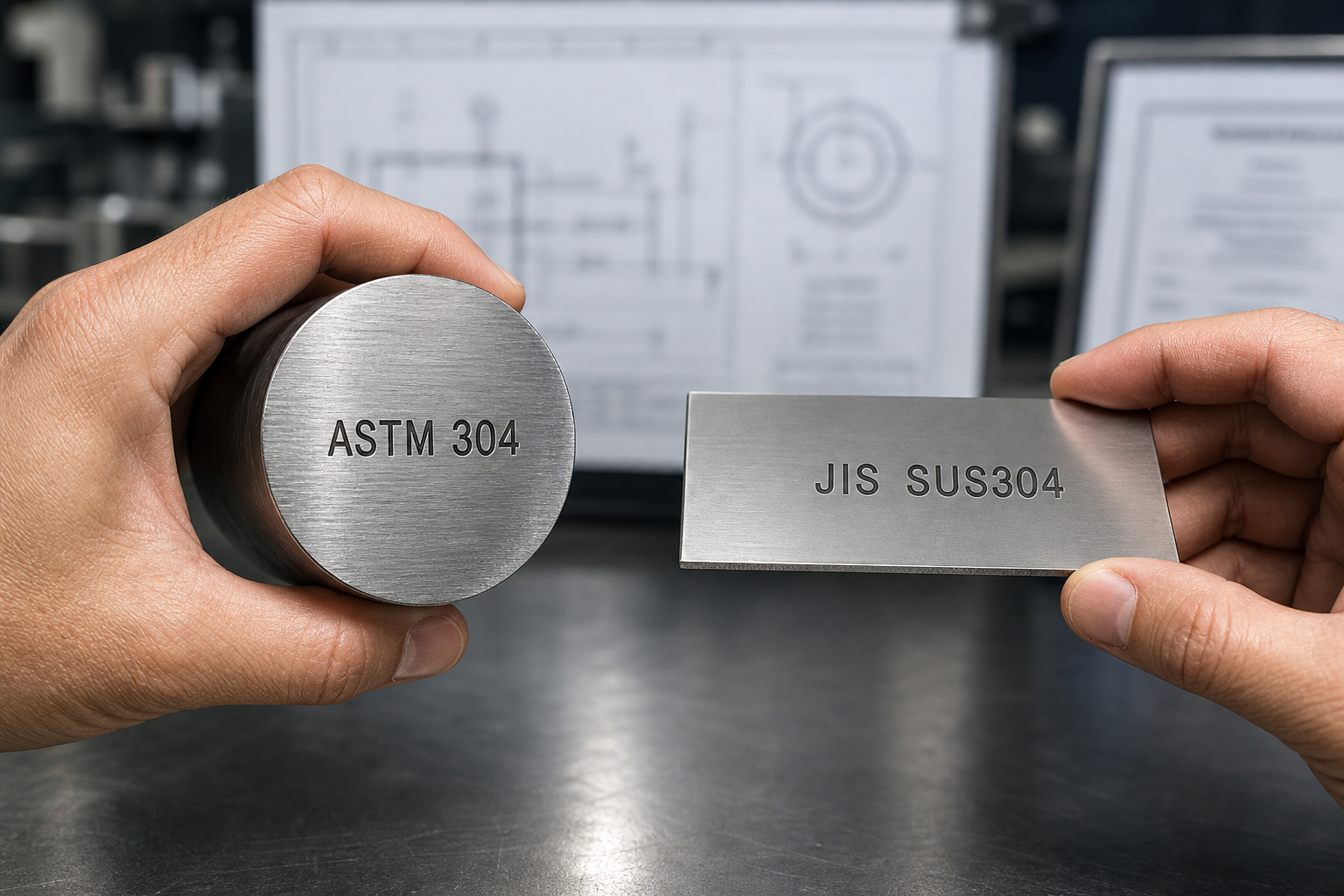
304 Stainless Steel Foil is the most widely used austenitic stainless steel grade due to its excellent balance of corrosion resistance, formability, strength, and cost effectiveness. This grade offers reliable performance because it contains approximately 18% chromium and 8% nickel.
304 stainless steel foil is widely used across industries such as food processing, electronics, chemical equipment, and industrial foil components. The 304 stainless steel foil has strong corrosion resistance in atmospheric and mildly corrosive environments. It offers excellent formability, which makes it suitable for deep drawing, stamping, and precision forming applications. The 304 stainless steel foil provides good temperature resistance for general-purpose use and easy weldability without the need for post-weld heat treatment.

Chemical Composition & Mechanical Properties
The chemical composition of SS 304 foil plays a critical role in determining its corrosion resistance, mechanical stability, and overall performance. The high chromium content (18–20%) forms a stable passive oxide layer on the surface, which protects the material from mildly corrosive environments. The presence of nickel (8–10.5%) stabilizes the austenitic structure, which leads to improving its ductility, toughness, formability, and maintains the non-magnetic behavior. The controlled low carbon content minimizes the risk of carbide precipitation and prevents intergranular corrosion.
The mechanical properties of 304 stainless steel foil enable consistent performance under normal service conditions and during manufacturing processes such as rolling, stamping, and welding. The mechanical properties of SS 304 foil are given in Table 01. The 304 stainless steel foil provides excellent strength and ductility, making it suitable for structural applications. It’s good tensile and yield strength ensures reliable load-bearing performance, while high elongation allows easy forming, bending, and deep drawing without cracking.
Table 01: Mechanical properties of 304 stainless steel foil
Property | Unit | 304 Stainless Steel Foil |
Tensile Strength | MPa | 515 – 720 |
Yield Strength (0.2% Offset) | MPa | ≥ 205 |
Elongation | % | ≥ 40 |
Hardness | HB | ≤ 201 |
Density | g/cm³ | 8.0 |
Corrosion Resistance Performance
304 austenitic stainless steel foil offers excellent corrosion resistance in a wide range of environments, making it one of the most widely used stainless steel grades. The high chromium content forms a stable and self-healing passive oxide layer that protects the surface from oxidation. This makes 304 austenitic stainless steel foil highly resistant to moisture, humidity, and many common chemicals.
In mildly corrosive environments, the SS 304 foil maintains its surface integrity and appearance over long service periods. In highly chloride-rich environments, pitting corrosion may occur, where higher-alloy grades like 316 stainless steel are preferred.
Common Applications
304 stainless steel foil is widely used across multiple industries due to its excellent corrosion resistance, formability, and clean surface finish. Some common applications include:
1) Electronics: It is used in shielding, battery components, connectors, and precision electronic parts.
2) Medical devices: It is applied in surgical instruments, trays, diagnostic equipment, and hygienic components.
3) Industrial and decorative: It is suitable for nameplates, trims, panels, heat shields, and aesthetic architectural elements.
4) Food processing equipment: It is ideal for packaging, containers, conveyor components, and surfaces requiring hygiene.

5) Automotive components: It is used in gaskets, exhaust insulation layers, flexible connectors, and heat-resistant parts.
6) Chemical equipment: It can be applied in tanks, liners, filters, and components exposed to mildly corrosive chemicals.
Thickness, Surface Finish & Supply Forms
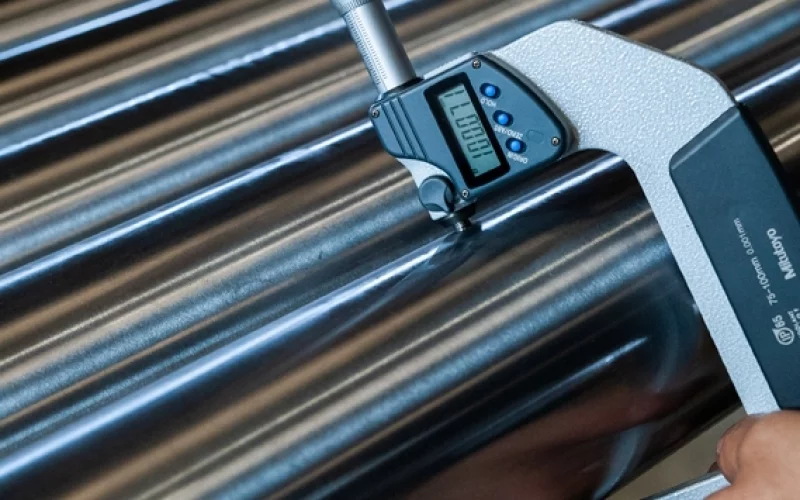
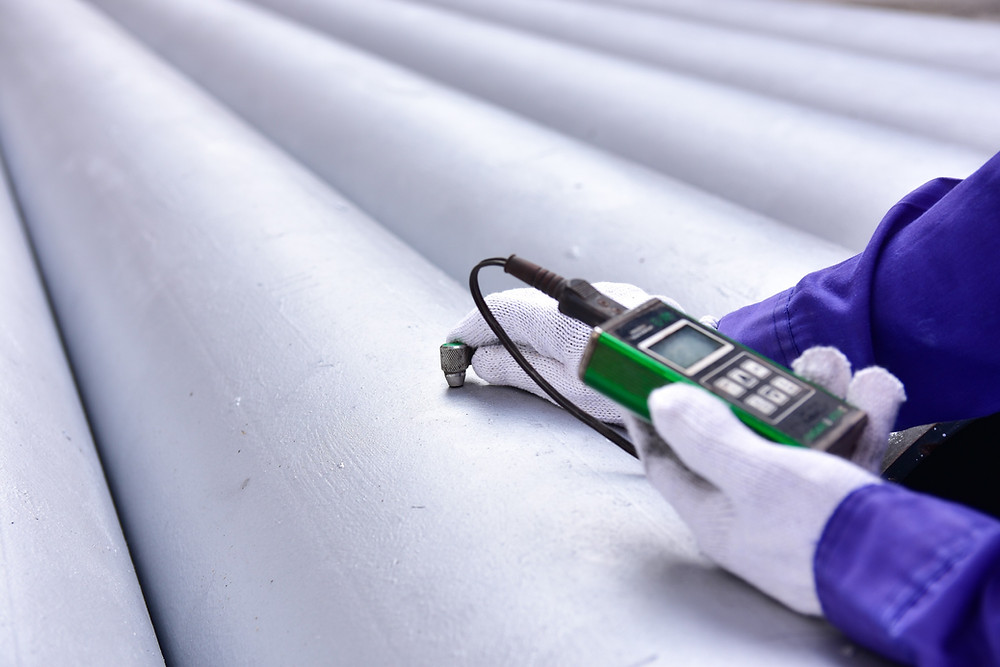
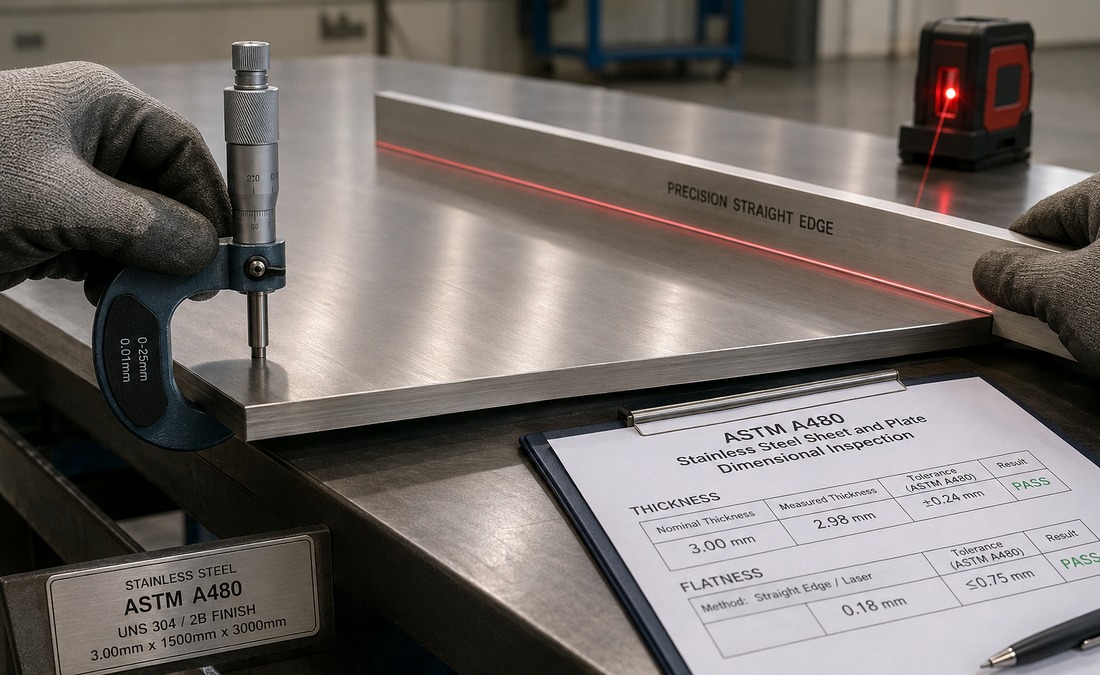
The 304 stainless steel foil is available in a wide range of thicknesses, surface finishes, and forms for diverse industrial applications. The foil can be produced in very thin gauges for precision applications, while the thicker sheets can be used for structural and protective purposes. Its flexibility and uniform thickness allow for consistent performance in applications requiring deep drawing, stamping, or precision forming.
Depending on aesthetic requirements, the surface finishes vary from bright, reflective mirror finishes to matte or dull finishes. The material is supplied in rolls, sheets style=”font-weight: 400;”>, or cut-to-size pieces, making it convenient for fabrication, forming, and assembly in different industries. Table 02 shows the thickness range, available surface finishing, and available supply forms of SS 304 foil. The wide range of available edge conditions, such as sheared or trimmed edges, further enhances its adaptability.
Table 02: Thickness, surface finishing and supply forms for the 304 stainless steel foil.
Parameter | 304 Stainless Steel Foil |
Thickness Range | 0.02 mm – 3.0 mm |
Width Range | 10 mm – 1500 mm |
Surface Finish | No. 1 (hot-rolled), No. 2B (bright annealed), No. 4 (brushed), Mirror (BA) |
Supply Forms | Rolls, Coils, Sheets, Cut-to-Size Pieces |
Edge Condition | Sheared, Slit, or Trimmed |
304 vs 316 Stainless Steel Foil
304 and 316 stainless steel foils are both austenitic grades, but their difference in chemical composition affects their applications. The 304 stainless steel foil contains chromium (18–20%) and nickel (8–10.5%), which leads to excellent corrosion resistance in general atmospheric and mildly corrosive environments. It is highly versatile, cost-effective, and widely used in electronics, food processing, medical devices, and decorative applications. Its properties make it suitable for most industrial and household applications where extreme corrosion resistance is not critical.
On the other hand, the 316 stainless steel foil includes 2–3% molybdenum, chromium, and nickel, which significantly enhances its resistance to pitting and crevice corrosion. This makes 316 foil ideal for chemical processing, marine, and highly corrosive industrial applications. While 316 is more expensive than 304, its superior corrosion performance justifies its use in environments where durability and long-term resistance to harsh chemicals or seawater are essential.
In summary, 304 is a cost-effective general-purpose option, while 316 is chosen for more demanding corrosive conditions.
Conclusion
The 304 stainless steel foil is a versatile, cost-effective material widely used across industries due to its excellent corrosion resistance, formability, and mechanical strength. Its balanced chemical composition ensures durability, weldability, and resistance to general corrosion.
The best applications for 304 stainless steel foil include electronics, medical devices, food processing equipment, decorative panels, automotive components, and industrial uses. Its availability in various thicknesses, surface finishes, and supply forms makes it suitable for both functional and aesthetic purposes. Contact Jianglin today to secure high-quality 304 stainless steel foil for your next project.