Skip to content

Many people mix up melting and smelting. They sound alike but do very different jobs. Let’s break down each process in simple terms. This guide will help you tell them apart easily.
What is Melting?
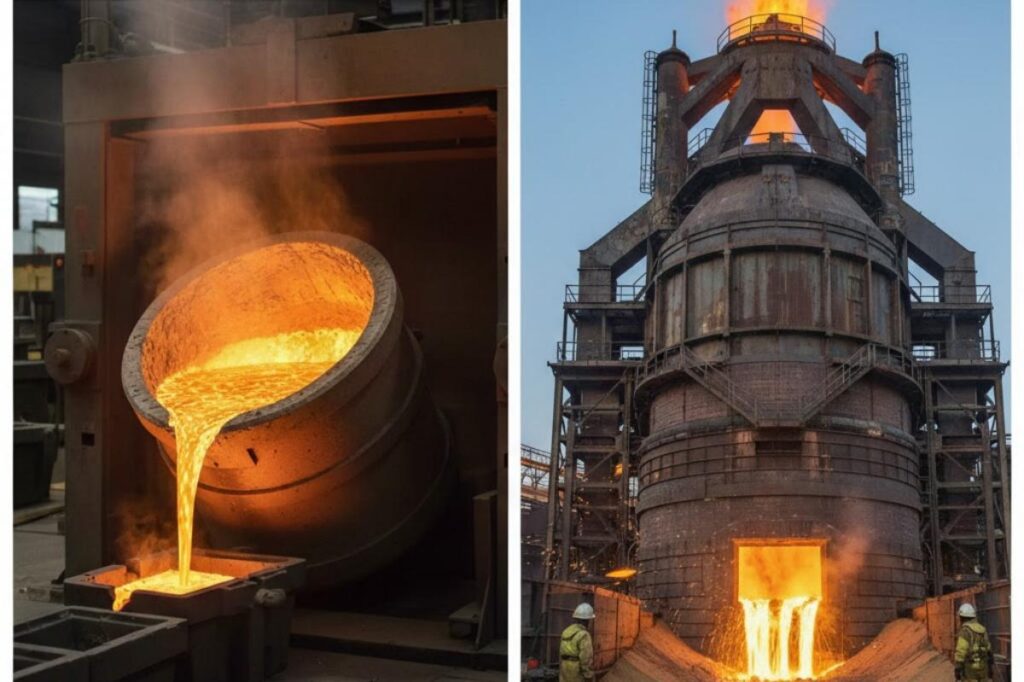
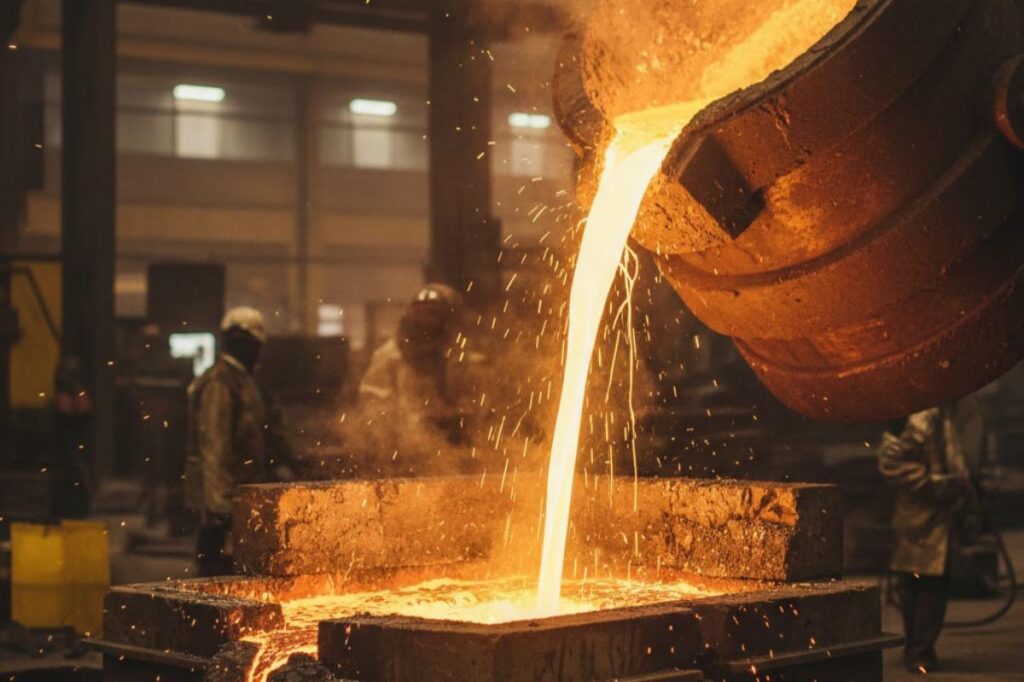
Melting turns a solid into a liquid through heat. Think of ice cream on a hot day. The solid changes state but stays the same stuff. The material doesn’t change its makeup during melting.
Metals melt when they reach certain temperatures. Gold melts at 1,948°F (1,064°C). Iron needs much more heat at 2,800°F (1,538°C). Once melted, the liquid metal can take new shapes when cooled.
Melting happens all around us. Ice melts into water. Butter melts in a hot pan. Even rocks melt during volcanic activity. The key point is that the material remains chemically the same.
What Process is Melting?
Step 1: Heating the Material
The process starts with applying heat to a solid. This can happen in many ways. A furnace, torch, or even the sun can provide heat. The atoms in the solid begin to move faster as they warm up.
As the heat increases, the solid reaches its melting point. This is the exact temperature where solids start to become liquids. Each material has its own unique melting point. When reached, the solid begins to change.
Step 2: Phase Change
The solid now transforms into a liquid state. The material absorbs heat energy without getting hotter. Scientists call this “latent heat of fusion.” During this time, the solid and liquid forms exist together.
Finally, the material becomes fully liquid. It flows and takes the shape of its container. The atoms move freely but stay loosely connected. The chemical makeup remains exactly the same as the original solid.
What is Smelting?
Smelting extracts metal from ore through chemical reactions and heat. Unlike melting, it changes the material’s makeup. The process removes unwanted elements from ore to get pure metal.
People have used smelting for thousands of years. Ancient civilizations smelted copper, tin, and iron. This skill helped humans move from the Stone Age to the Bronze and Iron Ages.
Smelting needs very high heat, often over 3,000°F (1,650°C). It also requires a reducing agent like carbon. Modern industries use smelting to produce most of the metal we use today.
What Process is Smelting?
Step 1: Preparation and Roasting
Workers first crush the ore into small pieces. This increases the surface area for better reactions. They might wash the crushed ore to remove some impurities.
Next comes roasting, where the ore heats up below its melting point. This burns off unwanted materials like sulfur. It also makes the next steps work better. Roasting often happens in a rotating furnace with controlled air flow.
Step 2: Reduction and Separation
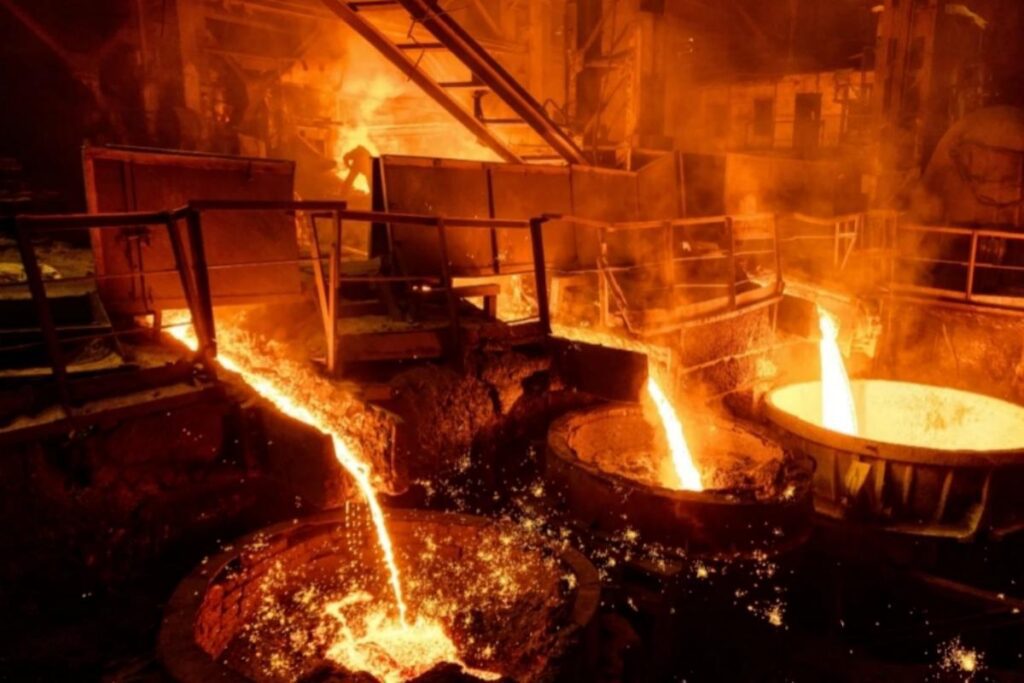
The roasted ore then goes into a smelting furnace with a reducing agent. Often, this is carbon in the form of coke or charcoal. The extreme heat starts chemical reactions that pull oxygen away from the metal.
As reactions occur, the metal becomes free from its ore compounds. The pure metal, now melted, sinks to the bottom of the furnace. The unwanted materials form “slag” that floats on top. Workers drain off both separately.
Melting VS Smelting
The main difference lies in what happens to the material. Melting only changes the physical state. Smelting changes both physical state and chemical makeup. Melting transforms; smelting extracts.
Melting works on pure materials or finished metals. Smelting works on ores that contain metals mixed with other elements. You melt gold bars, but smelt gold ore.
The equipment differs, too. Melting needs only heat and a container. Smelting requires special furnaces, reducing agents, and often flux materials that help separate impurities.
Temperature requirements often vary. Melting happens at a material’s melting point. Smelting typically needs much higher temperatures to drive chemical reactions.
The goals differ as well. People melt metals to reshape them. They smelt ores to get pure metals in the first place. One reshapes; the other refines.
Melting creates no byproducts beyond the melted material. Smelting produces slag and sometimes gases as byproducts. These need proper handling for environmental safety.
Conclusion
Though they sound alike, melting and smelting serve different purposes. Melting simply changes a solid to a liquid while keeping its nature the same. Smelting extracts metals from ores through chemical changes.
Both processes play key roles in metalworking. Smelting gives us pure metals from natural resources. Melting allows us to shape those metals into useful items. Together, they form the backbone of metal production.
Next time you see a metal object, remember its journey. It likely started with smelting to extract it from ore. Then melting helped shape it into its final form. Understanding these differences helps us appreciate the complex processes behind everyday metal items.
Now you can explain the difference when someone mixes up these terms. Melting changes state; smelting changes composition. This simple distinction clears up a common confusion about these important industrial processes. For high-quality materials shaped by these expert processes, you can always rely on the precision-crafted products from Jianglin.