Skip to content
Choosing between carbon steel vs mild steel can seem tricky. Many people struggle to tell the difference. Though they share the same appearance, their differences can change a project’s success. Picking the wrong one can cost you money and time. You are in the right place if you are wondering which one suits your needs.
Make a smarter choice by understanding the basics first. Let’s explore their unique properties. You will discover what sets them apart.
Mild Steel Overview
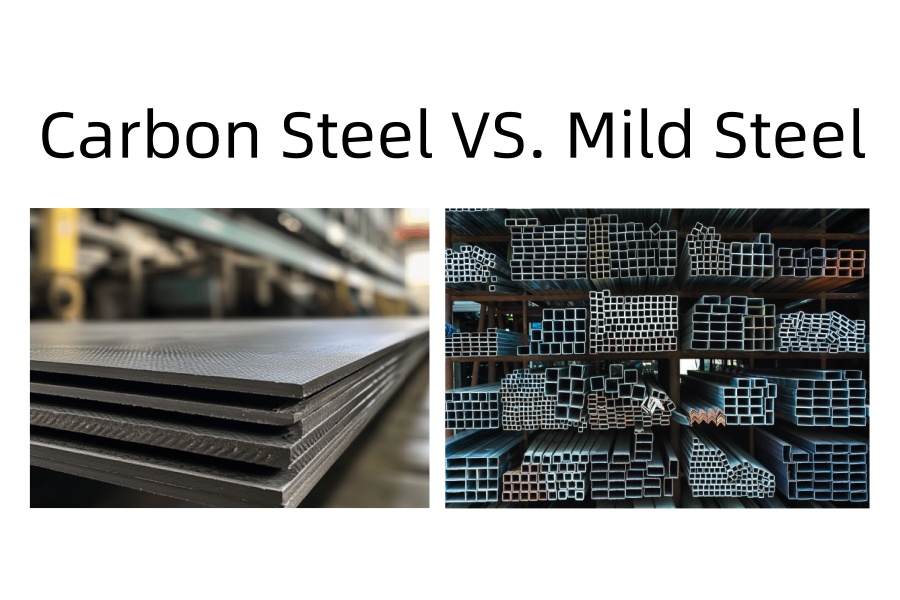
Mild steel is a low-carbon steel. It typically has a carbon content between 0.05% to 0.25%. This low carbon level gives it unique properties. It is soft compared to other types of steel. It is also very flexible and easy to form.

It is used in car bodies, pipelines, structural beams, and even household appliances. Its popularity comes from two factors: cost and excellent workability.
However, it rusts quickly if not properly coated or maintained.
Carbon Steel Overview
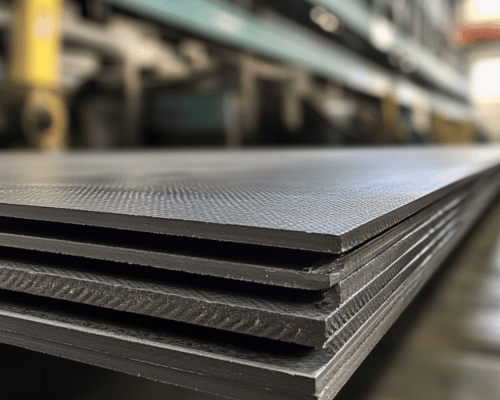
Carbon steel contains more carbon than mild steel. The amount can vary from 0.3% to 2%. The higher carbon makes the steel harder and stronger. There are three types of carbon steel:
- Low carbon steel: up to 0.25% carbon
- Medium carbon steel: 0.25 to 0.5% carbon
- High carbon steel: 0.5 to 1.25% carbon
Each type offers different properties. It is used in tools, knives, and construction that require high strength. It can handle heavy loads and stress better than mild steel.
Carbon Steel vs Mild Steel: Strength
When it comes to strength, carbon steel vs mild steel shows a big difference. Carbon steel is stronger. The added carbon steel creates tighter atomic bonds. This makes it much harder to deform.
Mild steel, by comparison, is softer and more flexible. It will bend under high pressure rather than crack. That is why mild steel is often used where flexibility is needed.
Carbon steel is usually the better choice for structural applications that must withstand heavy loads. Bridges and high-pressure pipes often use carbon steel for this reason.
Carbon Steel vs Mild Steel: Corrosion Resistance
Neither carbon nor mild steel offers good natural corrosion resistance. Both are prone to rust when exposed to moisture and air. However, mild steel rusts faster due to its softer structure and lower carbon levels.
Carbon steel, especially when alloyed with small amounts of other elements, can resist rust slightly better. However, on its own, it still needs coatings or galvanization to prevent corrosion. In projects where exposure to weather is common, both steels require protective treatments.
Carbon Steel vs Mild Steel: Ductility
Ductility means how much material can stretch or bend without breaking. Here, mild steel shines easily. Mild steel is more ductile than carbon steel. You can stretch, bend, and shape it easily without cracking. It absorbs forces by bending rather than breaking. That is why it is used for car frames and pipelines that need to absorb impact.
Carbon steel, especially high-carbon steel, is less ductile. It can crack under sudden force because it is harder and more brittle. This makes it great for cutting tools but risky for structures needing flexibility.
Carbon Steel vs Mild Steel: Weldability
In carbon steel vs mild steel, weldability is another big difference. Mild steel is very easy to weld. Its low carbon content means it doesn’t harden much during welding. This reduces the risk of cracking. It can be easily welded using basic techniques and standard equipment. It does not require special treatment.
Carbon steel, especially with higher carbon levels, is harder to weld. If the welding process is not done correctly, it can become brittle. Special techniques, preheating, or post-weld treatments are often needed.
Carbon Steel vs Mild Steel: Machinability
Mild steel is very machinable. It can be drilled, milled, or cut with standard tools. Because it is softer, mild steel puts less wear on the machinery. This lowers maintenance costs and speeds up protection.
Carbon steel, particularly high-carbon grade, is harder and tougher. It wears down cutting tools faster and requires slower machining speeds. Special tools like carbide-tipped bits are sometimes required to handle high hardness.
If you want fast, simple machining with less tool damage, mild steel is the clear winner.
Carbon Steel vs Mild Steel: Price
Price is often the deal breaker. Mild steel is cheaper than carbon steel. The lower carbon steel content makes it less expensive to produce. It is widely available. This keeps the price stable and affordable. Typically, price ranges between $800 and $1000 per ton. This also depends on the source and specific type you choose.
Carbon steel costs more, especially the medium and high-carbon types. The manufacturing process is more complex. The material itself is denser and harder.
For budget-friendly projects, mild steel is usually the top choice. It offers good performance at a lower cost. Carbon steel’s price is justified when strength and hardness are critical. The extra investment in carbon steel pays off for specialized tools and heavy machinery.
Carbon Steel vs Mild Steel Summary Table
Let’s summarize the key differences between carbon and mild steel:
| Property | Carbon steel | Mild steel |
| Strength | Higher strength | Lower strength |
| Corrosion resistance | Low ( but slightly better than mild steel) | Low ( needs coating ) |
| Ductility | Less ductile | Highly ductile |
| Weldability | Harder to weld | Easy to weld |
| Machinability | Harder to machine | Easier to machine |
| Price | More expensive | Less expensive |
FAQs
Does carbon steel have better impact resistance than mild steel?
Yes, carbon steel usually handles impact better. It absorbs energy without deforming quickly. Mild steel may bend more under sudden force.
Can mild steel be used outdoors?
Yes, but it needs protection like paint or coating. Mild steel rusts quickly when exposed to moisture. Regular maintenance is required.
Which one is better for DIY projects, carbon steel or mild steel?
Mild steel is better for DIY. It is easier to cut, weld, and handle. Carbon steel may need special tools and skills.
Conclusion
Choosing between carbon steel vs mild steel is not hard once you know the facts. Each has its place. Carbon steel offers strength. Mild steel gives flexibility. Think about your project’s needs before deciding. Then, choose the right steel. Don’t leave it to chance. The right material leads to better results and fewer problems.