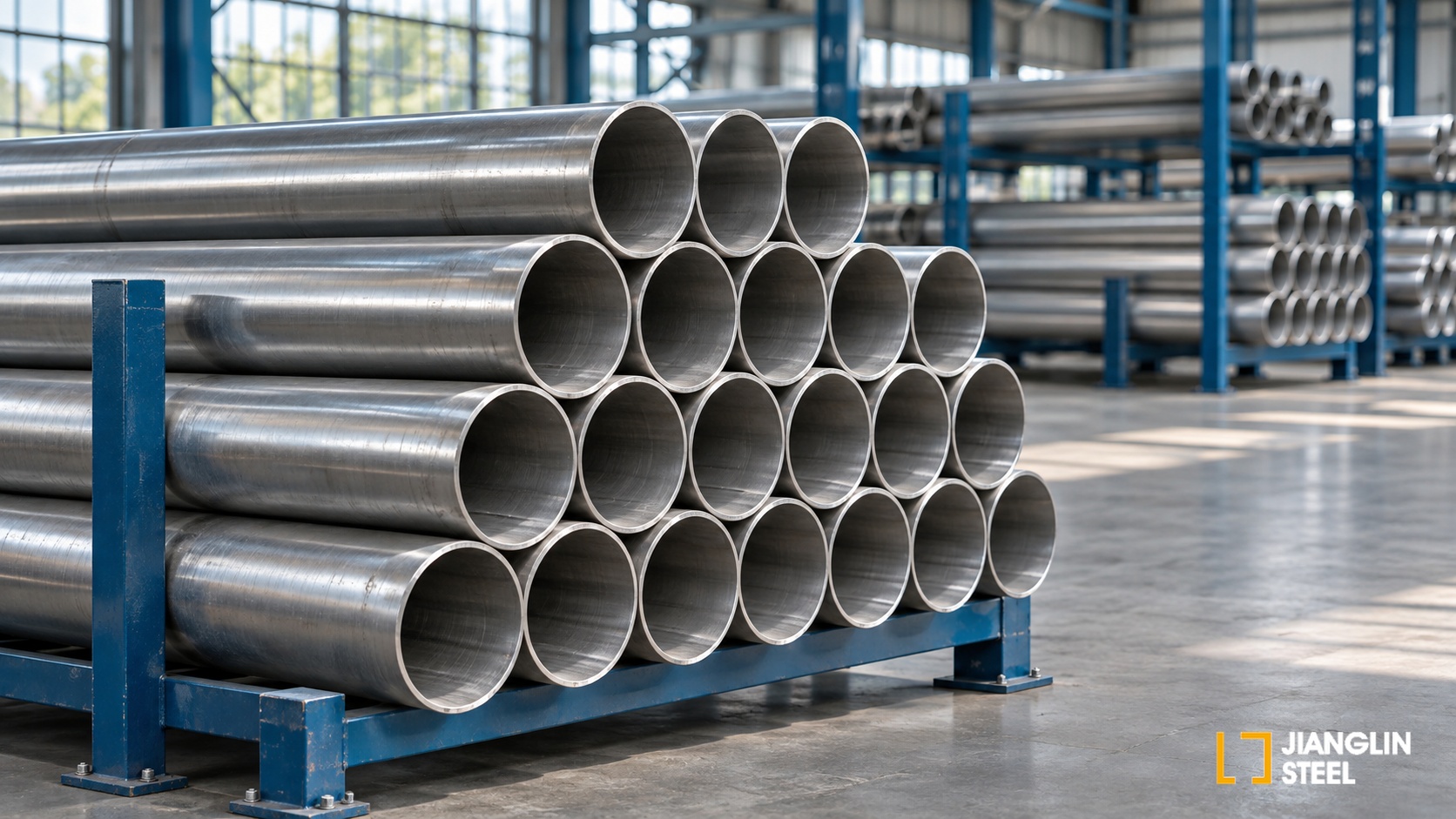
Medical technology has advanced at a rapid pace in recent years. Much of this progress comes from the use of high-performance materials that now shape modern healthcare. One such development is the capillary tube. These are narrow, thin tubes with a very small inner diameter. They are designed to regulate the flow of fluids through tight and even spaces.
Their uniform size and strength in harsh conditions make them ideal for delivering medications with great accuracy, even in highly controlled environments. Though simple in design, they are vital parts of many medical devices.
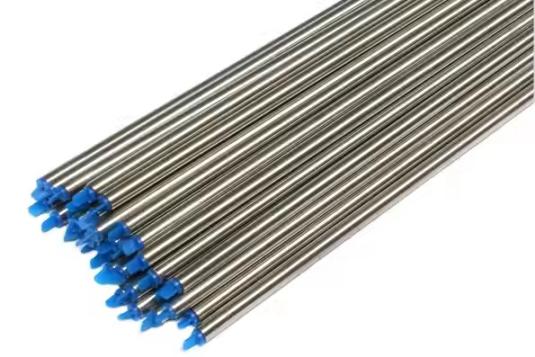
Capillary tubes now have many uses in medicine, from diagnostic tools to advanced therapy systems. Thanks to the strength of stainless steel capillary tubes, they have become essential in a wide range of medical applications.
This article will explore how capillary tubes are used in medical devices and why stainless steel is often the preferred material.
Applications of Capillary Tubes in Medical Devices
Diagnostic Equipment
Capillary tubes are especially valuable in diagnostic systems that test small volumes of blood, serum, or other fluids. For example, blood testing devices use them to move tiny amounts of blood into the testing chamber. The smooth inner surface of the tubes ensures steady and consistent flow, which improves the accuracy of results.
Drug Delivery Systems
Modern drug delivery requires precise control. Capillary tubes are key in infusion pumps and microneedle systems, where medication must be released in exact doses. Stainless steel capillary tubes add strength and consistency, helping them withstand pressure during use. This reliability is vital for patients who need constant medication over long periods.
Endoscopes
In minimally invasive tools such as endoscopes, capillary tubes help guide fluids and contrast agents. Stainless steel tubes are especially useful because they are flexible, strong, and resistant to corrosion. These qualities improve both patient safety and the durability of the device.
Gas Chromatography in Medical Testing
Capillary tubes are also used in laboratory equipment. For instance, gas chromatography systems rely on them to separate and identify compounds in patient samples. Their tiny inner diameter allows fluids to move along precise paths, making the analysis both efficient and reliable.
Medical Sensors
Wearable and implantable sensors often need tiny channels for the movement of fluids or gases. These sensors measure things like blood glucose, oxygen, or lactate levels. Stainless steel capillary tubes provide the needed pathways while resisting corrosion inside the body.
Surgical Instruments
Many advanced surgical tools also use capillary tubes. They are common in devices that work with lasers or thermal energy, such as laparoscopes and hysteroscopes. Here, stainless steel tubes serve as channels for fluids or gases, cooling systems, or fine-tuned targeting in microsurgeries.
Why Stainless Steel is Preferred
Glass and polymer capillary tubes are common in labs, but stainless steel is preferred in medical devices. The reasons include:·
- Corrosion resistance: Stainless steel resists rust and damage, even with exposure to body fluids and cleaning agents.
- High strength: It can handle pressure and stress, making devices more reliable.
- Biocompatibility: Medical-grade stainless steel is safe for use in the body, lowering the risk of adverse reactions.
- Precision: Stainless steel can be drawn into very fine diameters while staying strong, making it ideal for micro-scale uses.
- Temperature stability: It holds up well during sterilization and in high-heat surgical environments.
Advancements in Stainless Steel Capillary Tubes
As medical technology improves, so does the design of capillary tubes. New innovations include:
- Miniaturization: Manufacturing advances now allow ultra-fine inner diameters for microfluidic and nanofluidic devices.
- Specialized coatings: Coatings can improve flow properties by changing surface hydrophobicity or hydrophilicity.
- Hybrid materials: Stainless steel combined with polymers offers more flexibility and less friction, useful in catheters.
- Laser-cut precision: Laser machining creates highly uniform bore sizes, vital for accurate drug dosing and diagnostics.·
The Takeaway
Stainless steel capillary tubes offer many benefits, but also face challenges. Producing ultra-thin tubes requires advanced methods, which raises costs. In some cases, where flexibility matters more than durability, polymer tubes may be a better choice. For this reason, it is important to carefully consider tube size, wall thickness, and finish when designing a medical device. For more details, please feel free to contact us.
References:
- Yamaguchi, Hitomi, Takeo Shinmura, and Ryota Ikeda. “Study of internal finishing of austenitic stainless steel capillary tubes by magnetic abrasive finishing.” (2007): 885-892.
- Yur’ev, Boris P., and Vyacheslav A. Dudko. Development of Capillary Tube Production Technology.” Materials Science Forum. Vol. 946. Trans Tech Publications Ltd, 2019.
- Zhang, Shiwei, et al. “Capillary performance characterization of porous sintered stainless steel powder wicks for stainless steel heat pipes.” International Communications in Heat and Mass Transfer 116 (2020): 104702.
- Na, Eun-Young. “An electrochemical evaluation on the crevice corrosion of 430 stainless steel by micro capillary tubing method.” Journal of materials science 41.11 (2006): 3465-3471.
- Bucci, Alessio, et al. “Water single-phase fluid flow and heat transfer in capillary tubes.” International Conference on Nanochannels, Microchannels, and Minichannels. Vol. 36673. 2003.