Skip to content
ASTM A554 sets the requirements for welded stainless steel tubing used in mechanical and ornamental work. It focuses on strength, smooth surface finish, and size instead of pressure use. This standard is used where both looks and support are important. It helps to keep quality and consistent production across industries. The common uses include furniture, railings, frames, and decorative structures. By following this standard, manufacturers can make tubing that performs well and looks clean.

What Is ASTM A554?
ASTM A554 covers welded stainless steel tubing used in mechanical and ornamental applications. It focuses on surface finish and structural use.
Scope of the standard
This standard covers dimensions, tolerances, surface finish, and mechanical properties. It does not include requirements for pressure or high-temperature use. It mainly focuses on appearance, strength, and ease of forming.
Typical applications
ASTM A554 tubing is used where both strength and visual appeal are required. In these applications, the corrosion resistance and finish quality are also important. The common applications include handrails, furniture, frames, supports, and architectural structures. It is also used in automotive trim and industrial equipment.
What Makes A554 Different?
This standard is not for pressure or high-temperature service conditions. But, it is designed for mechanical strength and appearance.
Mechanical tubing focus
This standard emphasizes the strength and dimensional stability. The tubes are produced to support structural loads and mechanical use. The tolerances are controlled to ensure proper fit in assemblies. This standard focuses on performance in fabrication and service rather than fluid handling.
Ornamental tubing focus
Surface finish is a key requirement in ASTM A554. These tubes are manufactured with smooth and clean finishes suitable for visible applications. It can be polished or treated for enhanced appearance.
Why it is not the same as pressure pipe standards
ASTM A554 does not require pressure testing or strict criteria for high-temperature service. It is not intended for fluid transport under pressure. But the standards, like ASTM A312, are used for such applications. A554 focuses on form, finish, and structural utility rather than internal pressure performance.
Common Shapes and Grades
ASTM A554 offers tubing in various shapes and grades. This is necessary to meet structural and decorative requirements.
Round tubing
The round tubing (as shown below) is the most commonly used form. It provides uniform strength and a smooth appearance. Its shape allows easy bending and forming. It is widely used for handrails, supports, and general fabrication. The table 01 highlights the key difference between the different shapes used in ASTM A554.

Square and rectangular tubing
Square and rectangular tubing, as shown below, offer better load-bearing capacity in certain directions. They provide a modern and sharp appearance for architectural use. These shapes are commonly used in frames, structures, and furniture manufacturing. They are also preferred where flat surfaces are required for joining.

304 and 316 grades
The choice of material grade depends on application requirements. Grade 304 is the most widely used stainless steel. It offers good corrosion resistance and formability. Grade 316 provides higher corrosion resistance, especially in harsh marine environments.
Table 01: Key differences in strength, appearance, and typical uses between different shapes
Shape | Strength | Appearance | Typical Use |
Round | Uniform strength in all directions | Smooth and classic look | Handrails, supports, piping substitutes |
Square | Good load-bearing with flat sides | Modern and sharp edges | Frames, structures, furniture |
Rectangular | High strength in one direction | Clean and architectural look | Structural supports, frameworks |
Key Requirements Buyers Should Review
Buyer requires a careful review of dimensions, finish, and weld quality. This ensures suitability for mechanical and decorative use.
Dimensions and tolerance
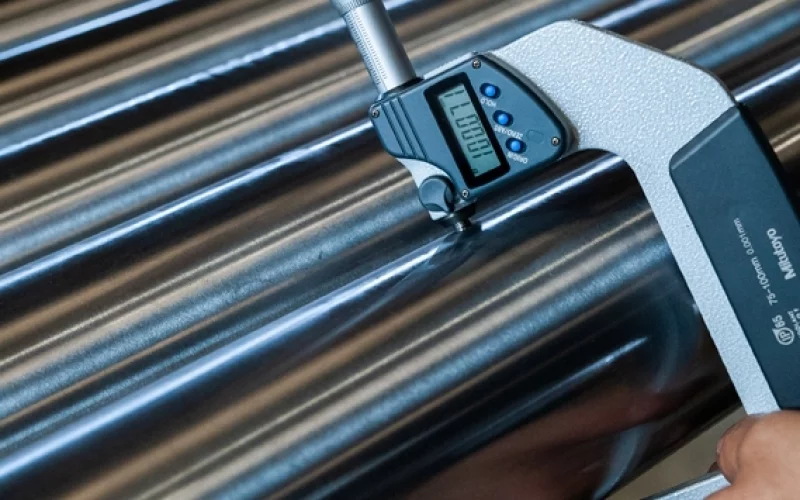
Buyers should clearly specify outer dimensions, wall thickness, and length. The specified tolerances must match the application requirements. For precise applications, tight control is important for proper fit and assembly. Any special dimensional needs should be agreed upon before ordering.
Surface quality
The excellent surface condition is critical for ornamental use. For these types of applications, the tubing should be free from scratches, pits, and visible defects. This standard allows different finish levels, but the buyer must define the expected quality.
Weld seam considerations
The tubes under ASTM A554 are welded, so seam quality must be reviewed. The weld should be smooth and properly finished. In some cases, weld bead removal or polishing is required. This is important for both strength and appearance.
Finish and appearance expectations
The type of surface finishing should be clearly defined, such as mill finish, brushed, or polished. Buyers should also specify any additional treatments. Clear expectations help avoid rejection and delay.
ASTM A554 vs A312 vs A269
The following section compares the ASTM A554 with ASTM A312 and ASTM A269. The ASTM A554 focuses on appearance and structural use rather than fluid service.
Structural appearance vs process service
ASTM A554 is intended for mechanical and ornamental use where finishing matters. ASTM A312 is designed to transport high-pressure and high-temperature fluid. ASTM A269 is designed for corrosion resistance and dimensional accuracy.
Which standard to choose for decorative projects
For decorative and architectural applications, ASTM A554 is the preferred choice. It offers better surface finish and aesthetic quality. ASTM A312 and ASTM A269 are not optimized for appearance. Table 02 shows the comparison of ASTM A554, ASTM A312, and ASTM A269 based on application, performance, and surface requirements.
Table 02: The key features difference between the ASTM A554, A312 and A269
Feature | ASTM A554 | ASTM A312 | ASTM A269 |
Primary use | Mechanical & ornamental tubing | Pressure piping | General service tubing |
Application focus | Appearance and structure | High pressure & temperature | Corrosion resistance & precision |
Manufacturing type | Welded | Seamless & welded | Seamless & welded |
Surface finish requirement | High importance | Not primary focus | Moderate importance |
Pressure service | Not suitable | Suitable | Limited / low-pressure |
Typical applications | Railings, furniture, frames | Process plants, pipelines | Instrumentation, heat exchangers |
Dimensional accuracy | Moderate | Standard pipe tolerances | High precision tubing |
Aesthetic requirement | High | Low | Medium |
How to Specify A554 Tubing Correctly
ASTM A554 requirements (as given below) should be clearly defined. This will lead to ensuring that the tubes meet mechanical and decorative needs.
Shape and size
The buyers should specify the exact shape, such as round, square, or rectangular. Define outer dimensions, wall thickness, and length with their tolerances. The clear sizing avoids fabrication and fit-up issues.
Finish requirement
The buyer should specify the required surface finish, such as mill, brushed, or polished. The finish level should align with the application. Any special surface treatment should be mentioned in the RFQ.
Polished or decorative expectation
If the tubing is for ornamental use, then the level of polish should be defined. The buyer should indicate whether a mirror finish or a specific grit polish is needed.
Acceptance criteria
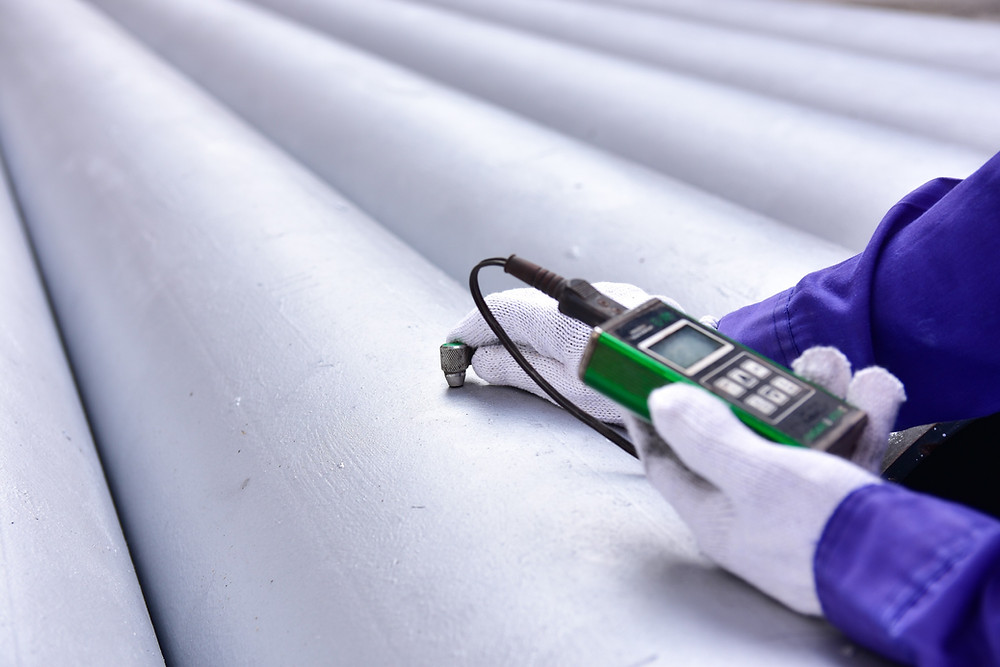
The acceptance criteria, such as inspection, should be mentioned before ordering. The testing can be used to check for surface defects, weld quality, and dimensional compliance. Any additional testing or visual standards should be specified. This ensures the delivered material meets expectations.
Common Buyer Mistakes
ASTM A554 is often misapplied due to a misunderstanding. Ignoring the key parameters during the RFQ leads to conflict between the buyer and suppliers. The common buyer mistakes related to ASTM A554 are given below:
Using A554 for pressure systems
A common mistake that the buyer makes is selecting the ASTM A554 for fluid or pressure service. This standard is not designed for internal pressure or high-temperature conditions. It lacks mandatory pressure testing requirements. For such applications, standards like ASTM A312 should be used.
Not defining finish clearly
Buyers often fail to specify the required surface finish. This leads to a supply of material that does not meet visual expectations. ASTM A554 allows different finish levels, so clarity is essential. The clearly defined polish grade or surface condition avoids disputes.
Ignoring tolerance on rectangular sections
It is common that rectangular and square tubes have variations in dimensions. Ignoring tolerance requirements can cause alignment and fitting issues. This is critical in structural and architectural assemblies.
Conclusion
ASTM A554 provides a reliable solution for mechanical and ornamental tubing. It is used for applications where strength and appearance are both important. It is not intended for pressure service, but it performs well in structural and decorative applications. A clear mention of specifications such as size and surface finish is essential to avoid conflict. Understanding its differences from standards like ASTM A312 and ASTM A269 helps in selecting the right material. Proper use of ASTM A554 ensures consistent quality, good aesthetics, and reliable performance in the intended applications. Contact Jianglin Steel today to discuss your exact specification needs and request a competitive quote for your next project.
FAQ About ASTM A554
1) Can ASTM A554 tubing be used for pressure applications?
No, it is not designed for pressure or high-temperature service. It is intended for mechanical and ornamental use only.
2) What type of surface finish is available in ASTM A554 tubing?
It offers various finishes such as mill finish, brushed, and polished. The exact finish must be specified by the buyer.
3) Which grades are commonly used in ASTM A554 tubing?
The most common grades are 304 and 316. The selection depends on corrosion resistance and service environment.