Skip to content
Not all stainless steel is ready to shine right off the production line. However, why does stainless steel always look so clean and tough? Freshly manufactured stainless steel is not perfect. It hides stains, weld marks, and scales under the surface. Stainless steel pickling is what gives it that flawless finish.
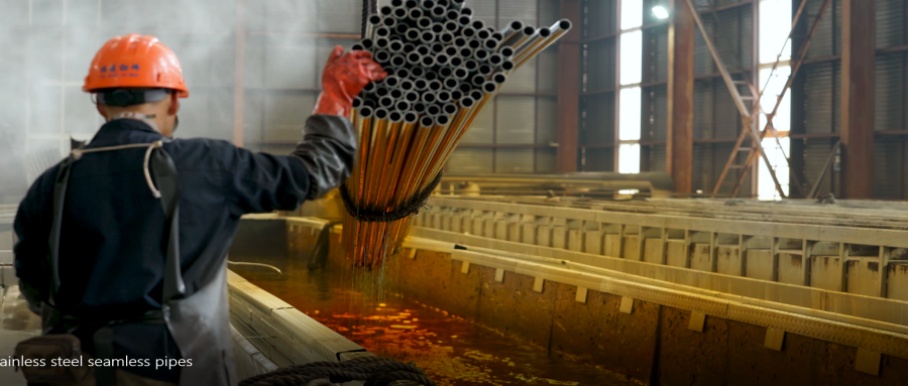
It scrubs away the ugly layer and restores the steel’s natural strength. Without pickling, stainless steel would not be half as tough or shiny.
What Is the Pickling Surface Treatment?
Pickling is a common process. It removes impurities from the surface of metals. These impurities include stains, rust, and scale. In simple words, pickling cleans the stainless steel. It restores its smooth and shiny look. More importantly, it prepares the metal for further treatments or use.
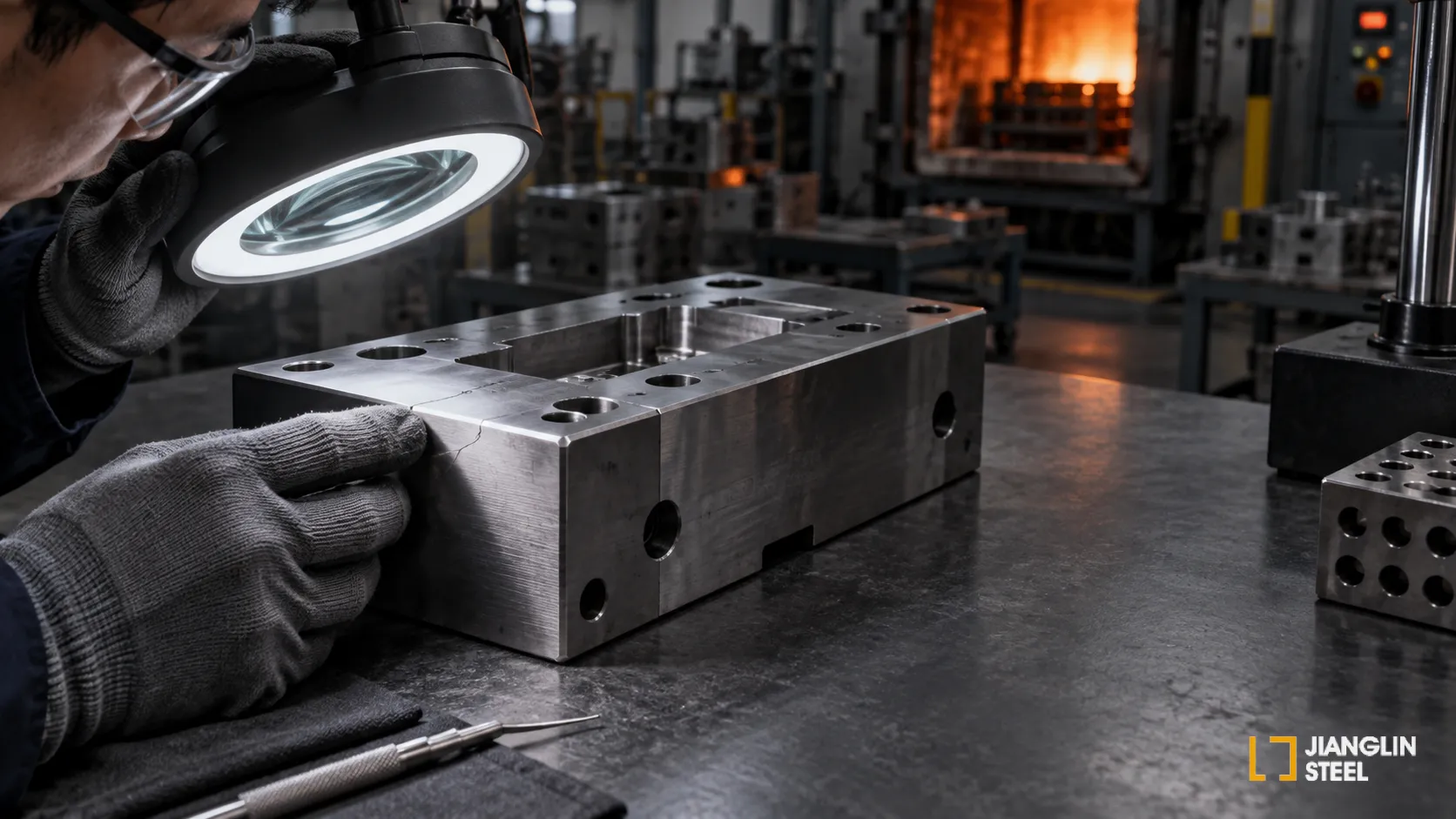
During manufacturing, heat can damage the protective chromium layer. This can cause scaling, discoloration, or rust. Stainless steel pickling removes all these defects.
The process uses strong acids. A mixture of nitric acid and hydrofluoric acid is usually used. These acids react with the surface. They strip away impurities and damaged layers. Once the pickling is complete, the stainless steel regains its corrosion resistance. It looks clean and bright again.
Pickling is not just for looks. It is crucial for metal’s durability. Especially in industries like food processing and construction.
Stainless Steel Pickling Process
The stainless steel pickling process has several important steps. Each one ensures the metal surface is treated properly.
Cleaning
The surface must be clean of grease, oil, or dirt. Sometimes, a degreasing step is necessary before pickling. If the surface is not clean, the acid cannot work properly.

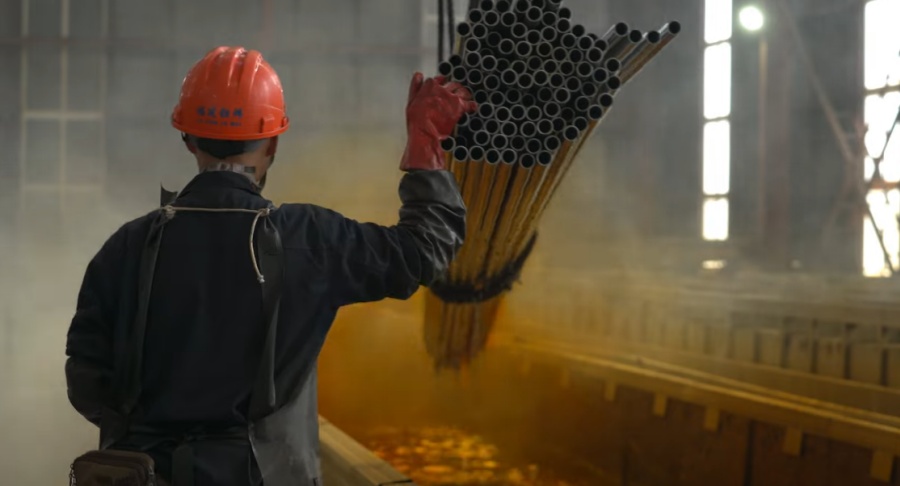
Application of Pickling Solution
Next, the acid solution is applied to the surface. This can be done by:
- Dipping
- Brushing
- Spraying

Dipping is the most common method for small to medium-sized parts.
Reaction Time
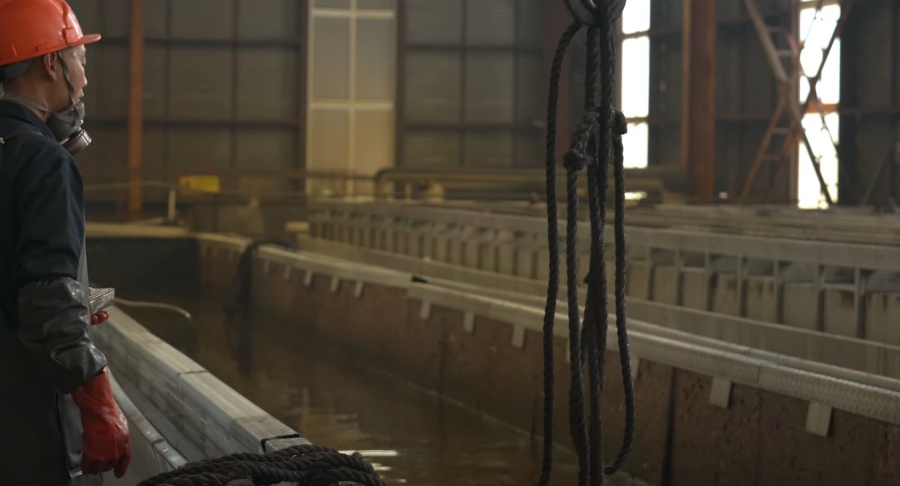
The solution needs time to react with the surface. The acid dissolves the oxide layer and any other impurities. This step must be regulated and monitored to avoid damaging the base metal.
Rinsing
After the reaction, the metal is rinsed thoroughly. This is usually done with high-pressure water. This removes all acid residues. Any leftover acid can cause future corrosion.
Drying
Finally, the stainless steel is dried. Proper drying prevents new stains or rust from forming on the clean surface.
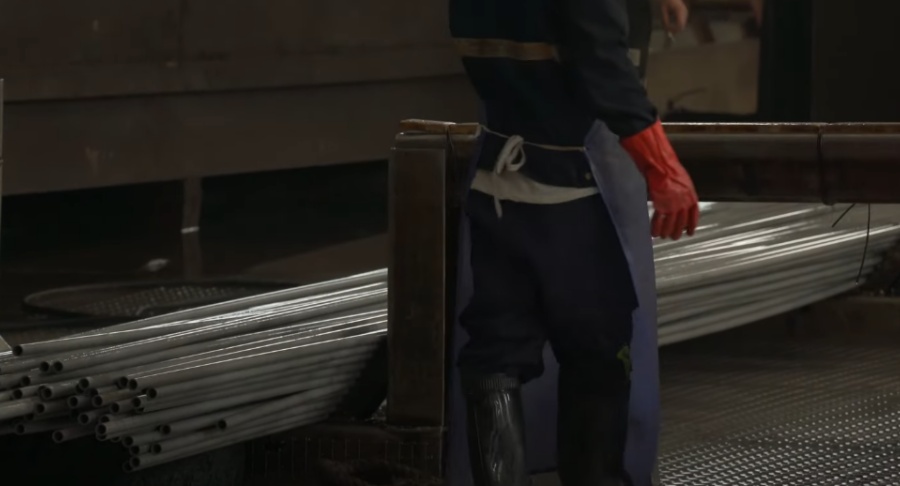
Safety is crucial throughout the stainless steel pickling process. The acids used are dangerous and require proper handling.
What Is the Difference Between Passivation and Pickling of Stainless Steel?
Many people confuse passivation with pickling. They are not the same. Both processes improve the surface of stainless steel. But they do it in different ways.
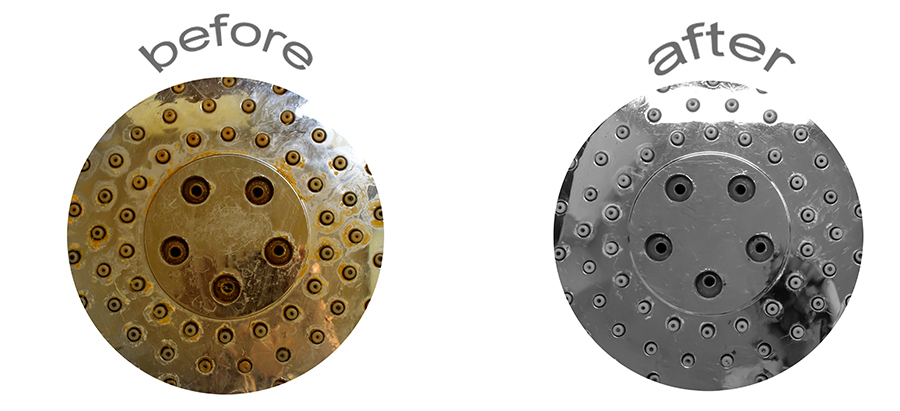
Stainless steel pickling removes the damaged surface layer. It eliminates oxides, scale, and other impurities. This is a cleaning process. It uses strong acids like nitric and hydrofluoric acid.
Passivation, on the other hand, does not remove scale. It is a milder process. Passivation can happen naturally when stainless steel is exposed to air. However, manufacturers often speed up the process by using chemical treatments. They apply solutions like nitric acid or citric acid. This method is called acid passivation.
Unlike pickling, it does not strip away any metal. It simply cleans the surface. It removes tiny contaminants left from manufacturing. Once the surface is clean, the stainless steel forms a protective chromium oxide layer.
What Is the ISO Standard for Pickling and Passivation?
The global industry follows specific standards for surface treatments. ISO standards ensure that processes are safe and consistent. Usually, these standards are applied:
ISO 16048: 2003 focuses on passivation methods for corrosion-resistant stainless steel fasteners. It outlines chemical treatments that protect bolts, screws, and similar parts.
ISO 15730: 2023 covers the correct procedures for pickling, passivation, and electropolishing. It specifies the materials, methods, and safety requirements.
ISO 8044: 2024 defines corrosion-related terms. It provides a common vocabulary for metal and alloys. This standard helps ensure clear communication.
Other passivation and pickling standards are ASTM:
FAQs
What acids are used in pickling?
Nitric acid and hydrofluoric acid are commonly used. They clean and restore the surface. They remove impurities effectively.
How is pickling different from electropolishing?
Pickling uses acids only. Electropolishing uses electricity and chemicals. Electropolishing gives a shiner and brighter finish.
Can pickling be used on all types of stainless steel?
Pickling does not work the same for every type. Different grades of stainless steel need different acid strengths. Some grades and types, like martensitic, need special care.
Conclusion
Stainless steel pickling gives the steel its shine and strength. It clears out the mess left from making and welding. This process is simple but powerful. It transforms rough surfaces into perfect finishes. It is used in many industries, like construction and food processing. Knowing how pickling works helps you pick the better materials.
Always choose the right treatment for long-lasting performance.