Skip to content

Passivation of stainless steel is a controlled post-fabrication cleaning and chemical treatment used to remove contaminant iron and support a clean, corrosion-resistant passive surface. It is not a paint, plating layer, or sealant. It also cannot correct every surface defect.
For a procurement team, the practical question is not simply, “Has this part been passivated?” A useful specification must define the condition of the part before treatment, the applicable standard, who is responsible for the treatment, how the result will be accepted, and which records must accompany the shipment.
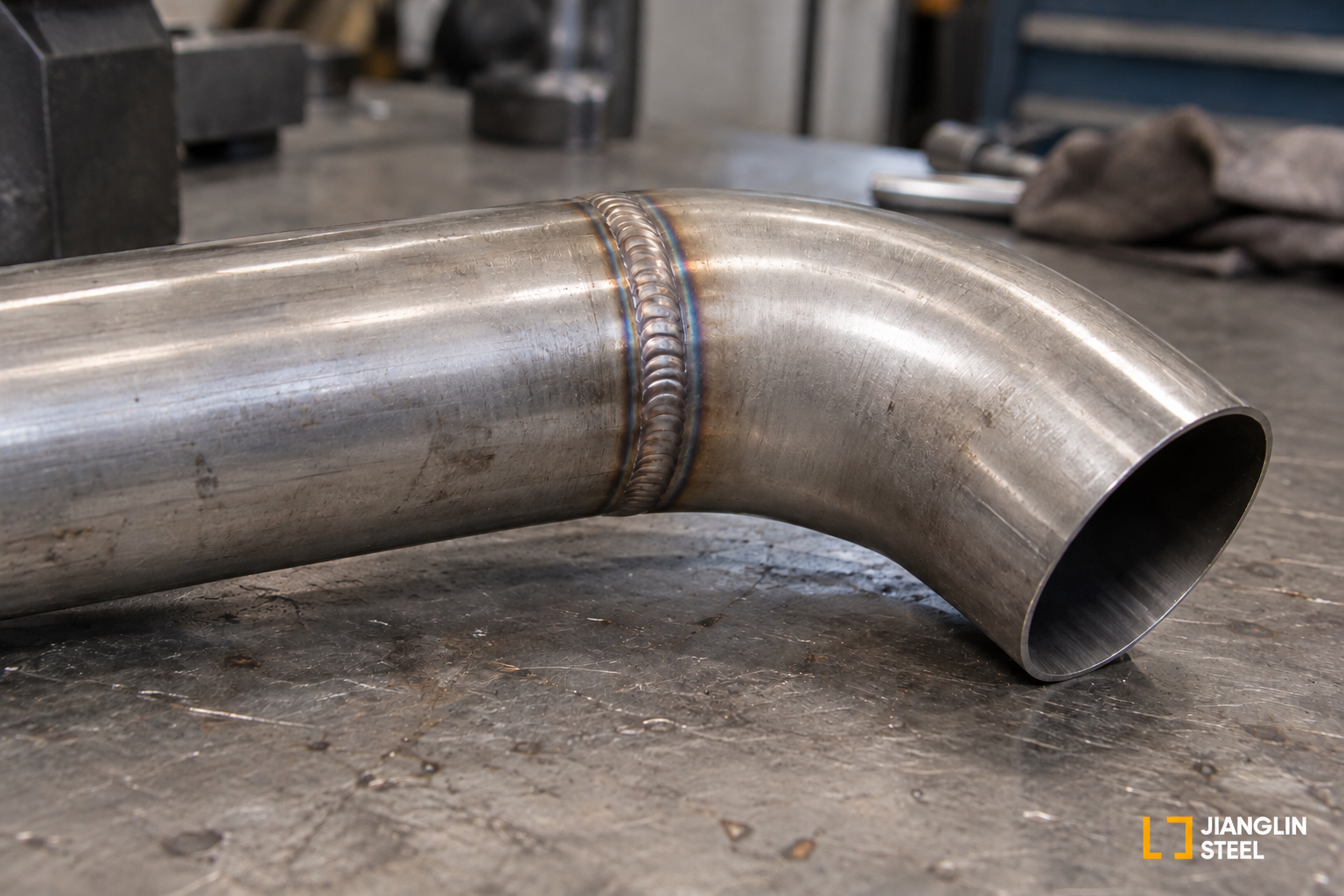
If oxide scale or weld heat tint remains, passivation alone is usually not the right first step. Pickling, another qualified descaling method, or local weld cleaning may be required before passivation can be effective.
Procurement takeaway: Do not use “passivated” as a stand-alone purchase-order requirement. State the standard and revision, final fabrication condition, applicable acceptance test, lot definition, documentation, and post-treatment handling requirements.
What is passivation of stainless steel?
Stainless steel relies on a very thin, chromium-rich surface film for corrosion resistance. When the surface is clean and exposed to oxygen, that passive film forms naturally. Fabrication and handling, however, can leave contaminant iron, shop dirt, oil, or other residues that interfere with a clean surface condition.
Chemical passivation is used after proper pre-cleaning to remove contaminant iron and support the formation or restoration of the passive condition. ASTM A380/A380M-25 distinguishes several meanings of “passivation,” which is exactly why a purchaser should define the intended requirement rather than rely on the word alone.
Passivation does not add a measurable coating thickness, change the bulk grade, or turn an unsuitable alloy into a corrosion-proof material. Grade selection, fabrication quality, surface finish, design, and the service environment still govern performance.
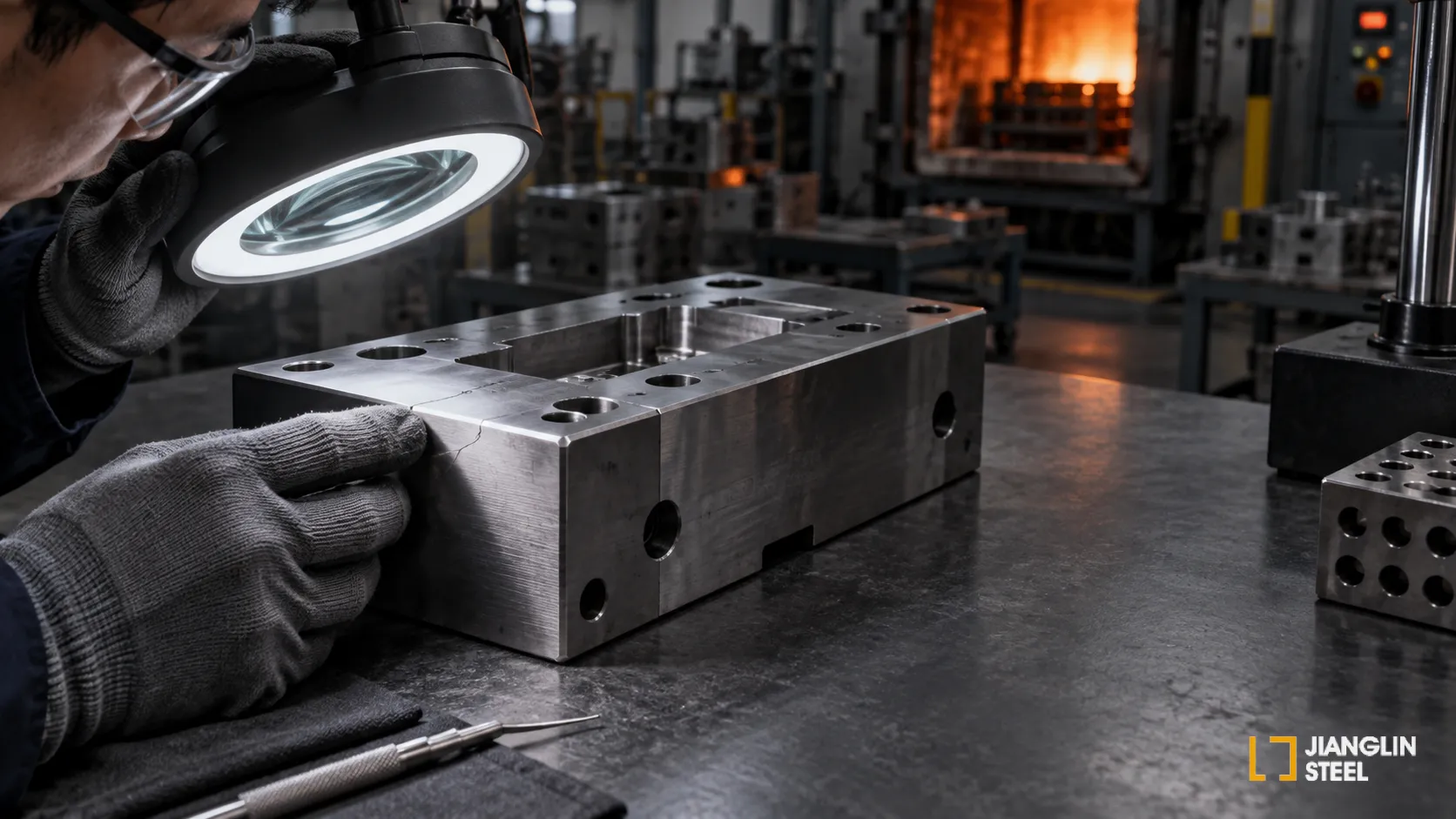
Why can a stainless steel part need passivation after fabrication?
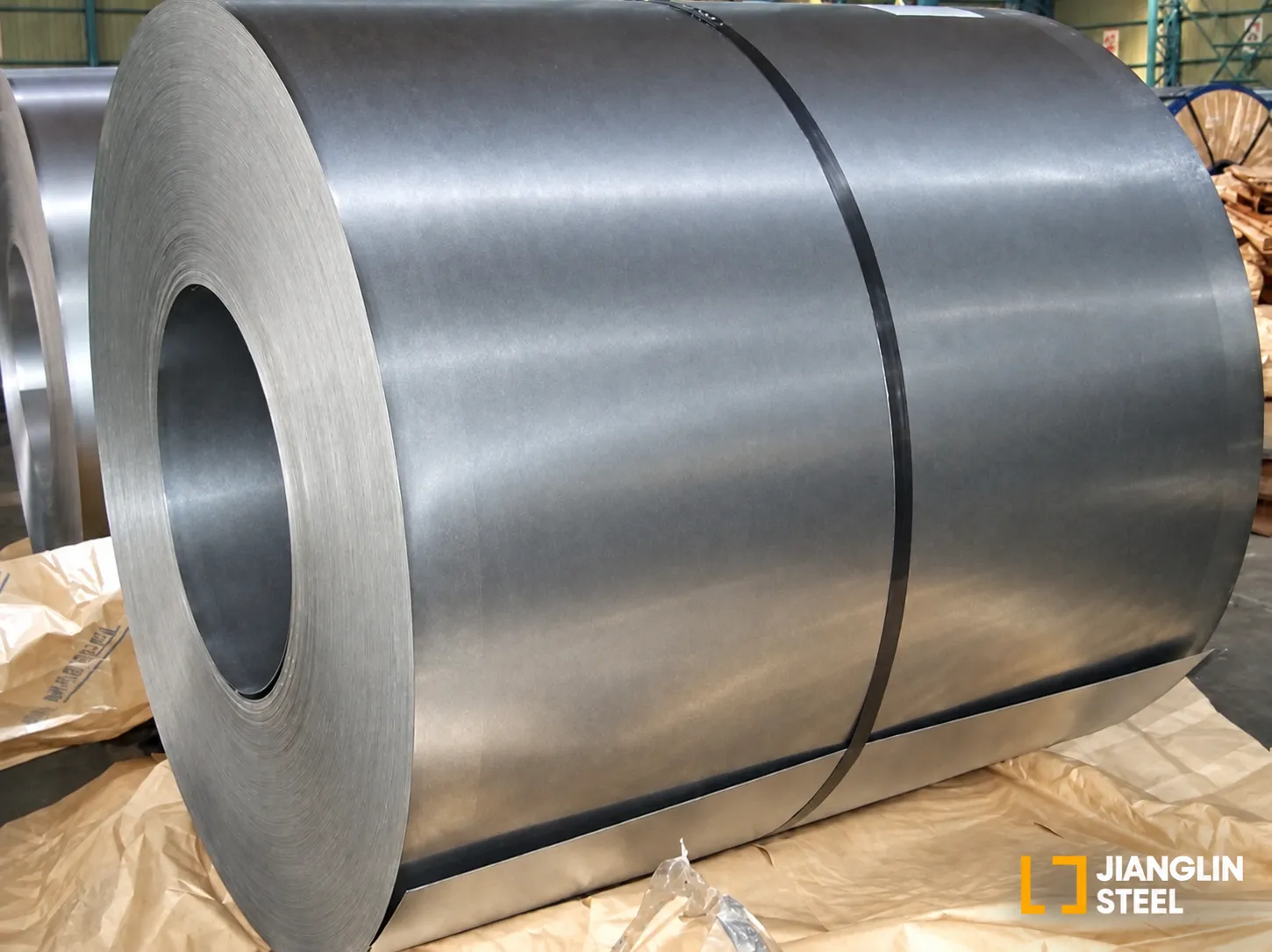
Mill-produced sheet, strip, plate, tube, and bar can leave the mill with a clean, passive surface. The risk changes after cutting, machining, forming, grinding, welding, blasting, fixture contact, or shared workshop handling.
Common contamination routes include:
- carbon-steel tooling, wire brushes, racks, tables, or handling equipment;
- machining debris and iron-bearing shop dust;
- oils, coolants, fingerprints, and polishing residues;
- weld heat tint and oxide scale;
- abrasive media previously used on carbon steel;
- contaminated rinse water or poor handling after treatment.
The need for passivation therefore depends on the final part—not only on the incoming stainless steel. A clean mill coil and a welded, ground assembly made from that coil do not have the same surface condition.
Passivation is commonly considered when a drawing, industry code, customer specification, or service condition requires a verified low-contamination surface. Hygienic equipment, pharmaceutical systems, food-processing components, aerospace parts, and critical fluid-handling assemblies often require tighter surface-control and documentation than general architectural items.
What does the stainless steel passivation process include?
The exact method should be developed and controlled by a qualified processor using the applicable standard. From a procurement standpoint, the sequence has five decision points.
1. Confirm the final fabrication condition
Identify the alloy, product form, machining and welding history, surface finish, visible oxide, and contamination risk. Passivation performed before the last welding, machining, or carbon-steel contact may not protect the final delivered condition.
2. Pre-clean the surface
Oil, grease, shop soil, polishing compound, and other residues must be removed. A passivation bath is not a substitute for proper degreasing or cleaning. Residue can shield the surface and make the treatment non-uniform.
3. Remove scale or heat tint when necessary
Weld heat tint and heavy oxide require a descaling decision. Depending on the component and specification, this may involve pickling, controlled mechanical treatment, electropolishing, or another qualified method. See Jianglin Steel’s guide to stainless steel pickling for the distinction between oxide removal and passivation.
4. Apply the specified passivation treatment
ASTM A967/A967M-25 covers several chemical passivation routes for stainless steel parts, including nitric-acid, citric-acid, and electrochemical treatments. The treatment must be compatible with the stainless grade, part geometry, previous processing, facility controls, and specified acceptance method.
5. Rinse, dry, verify, and protect
Treatment residues must be stopped and removed through suitable rinsing and, where specified, neutralization. The part is then dried, inspected, tested under the agreed acceptance plan, and protected from recontamination during packing and transport.
Passivation vs pickling vs electropolishing
These processes are related, but they are not interchangeable.
| Process | Main purpose | Removes base metal? | Typical procurement question |
|---|---|---|---|
| Cleaning | Removes oil, dirt, loose residue, and process soil | Normally no | Is the surface clean enough for the next treatment? |
| Pickling or descaling | Removes oxide scale, weld heat tint, and an affected surface layer | Yes, to a controlled extent | Is visible oxide or chromium-depleted material present? |
| Passivation | Removes contaminant iron and supports a clean passive condition | Should not significantly attack the stainless substrate | Which standard, treatment, and acceptance test apply? |
| Electropolishing | Electrochemically removes a controlled surface layer and can improve smoothness and cleanability | Yes | Are finish, material removal, edge condition, and dimensional effects specified? |
A request for “pickling and passivation” should state whether both processes are required and why. If the part has no scale or heat tint, a qualified cleaning and passivation route may be sufficient. If heavy oxide remains, passivation alone will not perform the descaling job.
For a broader overview, see What Is the Surface Treatment of Stainless Steel?.
ASTM A967 vs ASTM A380: which should procurement specify?
The active 2025 editions serve different purposes.
| Reference | Scope in procurement terms | Best fit |
|---|---|---|
| ASTM A967/A967M-25 | A specification for chemical passivation treatments of stainless steel parts, with alternative treatments and qualitative acceptance tests | When the purchase order needs a defined passivation requirement and confirmation of effectiveness for parts |
| ASTM A380/A380M-25 | A broader practice for cleaning, descaling, pickling, and passivation of stainless steel parts, equipment, assemblies, and installed systems | When the project needs a complete surface-preparation and contamination-control framework |
Some orders may reference both: A380 for the broader cleaning and surface-treatment practice, and A967 for the chemical passivation treatment and agreed acceptance test. Do not assume that naming either standard automatically selects every optional method or test.
The purchase order should identify the revision. Writing only “ASTM A967” leaves room for the supplier and purchaser to work from different editions. This same revision-control principle applies to other material standards; Jianglin’s guide to specifying ASTM standards for stainless steel sheet procurement explains why edition and scope matter.
Citric acid vs nitric acid passivation
Both are established treatment families, but the acid name by itself does not prove the result.
| Decision factor | Citric-acid route | Nitric-acid route |
|---|---|---|
| Primary function | Removes contaminant iron from a properly cleaned surface | Removes contaminant iron and provides a strongly oxidizing treatment environment |
| Facility considerations | Often selected to reduce handling and waste-management burden | Requires stringent chemical handling, ventilation, waste, and safety controls |
| Alloy and process qualification | Must be qualified for the grade, part condition, and acceptance method | Must be qualified for the grade, part condition, and acceptance method |
| Procurement approach | Specify only when required or validated; otherwise allow the qualified processor to propose the route | Specify only when required by the governing standard, customer, or validated process |
Procurement teams should avoid copying a concentration, temperature, or immersion time from an unrelated website. Treatment parameters depend on the governing standard, stainless grade, surface condition, chemistry control, geometry, and processor qualification. The acceptance requirement is as important as the selected chemistry.
When is passivation required—and when is it not enough?
Passivation may be appropriate when:
- final machining, forming, grinding, or handling creates a credible contaminant-iron risk;
- the drawing or customer specification explicitly requires it;
- a hygienic or critical application requires verified surface cleanliness;
- components have contacted carbon-steel tooling or shared shop equipment;
- the processor’s qualified route includes passivation after final fabrication;
- a defined free-iron or corrosion-related acceptance test is required.
Passivation alone is not enough when:
- weld heat tint, heavy oxide scale, rust, or embedded debris remains;
- the surface is still oily or otherwise poorly cleaned;
- active pitting or material damage is already present;
- the stainless grade is unsuitable for the service environment;
- crevices, drainability problems, or trapped process fluids are the real design issue;
- a specified surface roughness or electropolished finish is required;
- the part will be machined, welded, or contaminated again after treatment.
This distinction prevents a common sourcing mistake: using passivation as a catch-all remedy for material selection, fabrication, finishing, and cleanliness problems.
How should passivated stainless steel be accepted?
Visual inspection is necessary, but it cannot reliably identify thin oil films or invisible contaminant iron. ASTM A967/A967M-25 provides several alternative qualitative practices, including water immersion, high humidity, salt spray, copper sulfate, potassium ferricyanide–nitric acid, damp cloth, and boiling-water immersion tests.
That list is not a menu to apply blindly. The purchaser and processor should agree on the applicable method, grade restrictions, sampling, lot definition, acceptance criteria, and reporting requirements. Some methods may be inappropriate for a particular alloy, finish, geometry, or end use. Always use the current standard and project specification.
A defensible inspection package may include:
- visual inspection results;
- the treatment standard and revision;
- the selected treatment or qualified procedure reference;
- the acceptance test and result;
- lot or batch identification and part traceability;
- treatment date and processor identity;
- nonconformance and rework disposition, if any;
- packing controls used to avoid recontamination.
A material test certificate confirms material identity and reported properties; it does not normally prove that the final fabricated part was passivated. See How to Read a Stainless Steel Mill Test Certificate for the limits of mill documentation.
Common specification mistakes
Writing only “passivate after fabrication”
This does not identify the standard, edition, method restrictions, acceptance test, lot definition, or documentation. Suppliers can quote different scopes against the same phrase.
Assuming passivation removes weld heat tint
Passivation is not a substitute for descaling. Heat tint and the affected surface beneath it may require pickling or another qualified removal method first.
Specifying chemistry but no acceptance test
A named acid is a process input, not proof of an acceptable surface. Define how effectiveness will be confirmed.
Treating the mill certificate as a passivation record
The MTC relates to the supplied material heat or lot. Post-fabrication treatment requires its own traceable evidence when documentation is specified.
Allowing carbon-steel contact after treatment
Dirty racks, tools, chains, tables, or packaging can recontaminate a clean surface. Post-treatment handling belongs in the quality plan.
Frequently asked questions
Does stainless steel passivate naturally?
Yes. A clean stainless steel surface forms a protective passive film when exposed to a suitable oxygen-containing environment. Chemical passivation is mainly used to remove contaminant iron and establish a controlled, verifiable surface condition after fabrication.
Is passivation a coating?
No. Passivation does not deposit a separate paint, plating, or polymer layer. It is a surface-cleaning and chemical-treatment process associated with the stainless steel’s naturally passive condition.
Does 304 stainless steel always need passivation?
No. The need depends on final fabrication, contamination risk, the drawing, governing standard, end-use environment, and acceptance plan. A clean mill surface and a machined or welded final part require different decisions.
Can passivation remove weld discoloration?
Passivation is generally not intended to remove weld heat tint or heavy oxide scale. A qualified descaling, pickling, mechanical, or electrochemical treatment may be required first.
What is the difference between ASTM A967 and A380?
A967 is a specification focused on chemical passivation treatments and confirmation tests for stainless steel parts. A380 is a broader practice covering cleaning, descaling, pickling, and passivation for parts, equipment, assemblies, and installed systems.
How do I prove that passivation was successful?
Specify an applicable acceptance test, sampling plan, lot definition, and report requirement. Visual inspection alone may not detect contaminant iron or transparent residues.
Align the material and finishing requirements before quotation
Send Jianglin Steel the grade, product form, drawing, surface finish, final fabrication route, inspection plan, and documentation requirements. We can help align the stainless material supply and commercial specification. If post-fabrication passivation is required, define the responsible processor and acceptance plan before the quotation is finalized.
Request a quotation from Jianglin Steel
Authoritative references
- ASTM International, ASTM A967/A967M-25 — Standard Specification for Chemical Passivation Treatments for Stainless Steel Parts.
- ASTM International, ASTM A380/A380M-25 — Standard Practice for Cleaning, Descaling, Pickling, and Passivation of Stainless Steel Parts, Equipment, and Systems.
- Nickel Institute, Pickling and Passivating Stainless Steel.
- Nickel Institute, What Does Pickling and Passivation of Stainless Steel Mean?