When you request a quote for ASTM A213 heat exchanger tubes, put the wall basis on the same line as the outside diameter. A supplier can quote the right alloy and diameter and still offer average-wall tubing for a drawing that calls for minimum wall. The difference matters when you check the tubes on arrival.
ASTM A213/A213M covers seamless tubing for boilers, superheaters and heat exchangers. This guide walks through a stainless steel heat exchanger order, from the tube grade and delivery condition to inspection records and the information a supplier needs to prepare a quote.
Key takeaways
- Confirm the ASTM edition, full TP grade and whether the design calls for seamless tubing.
- Specify OD, minimum or average wall, cut length and quantity together.
- Agree on the test route, traceability and records before placing the order.
What does ASTM A213 cover?
ASTM A213/A213M covers seamless ferritic and austenitic alloy-steel tubing for boilers, superheaters and heat exchangers. This guide focuses on austenitic stainless steel tubes for heat exchangers. The standard covers both hot-finished and cold-finished routes, subject to the grade and the order, and specifies heat treatment for the material.
Use the equipment specification to confirm which tube standard applies. If the design permits welded austenitic tubing, review ASTM A249. For general-service stainless tubing, see ASTM A269. For a project under the ASME Boiler and Pressure Vessel Code, confirm the required SA-213 specification and Code edition with the design authority.
Which stainless steel grade should you specify?
Start with the tube grade on the equipment datasheet. If it is still open, give the materials engineer the fluids on both sides of the tube, the operating and cleaning temperatures, and the cleaning chemistry. For a retube, include the original tube grade and any evidence of corrosion or failure.
| Example A213 grade | What to check before ordering |
|---|---|
| TP304L | Check whether the low-carbon grade is specified for the fabrication or service conditions. Carry the full TP designation onto the RFQ. |
| TP316L | Consider it when the materials review calls for a molybdenum-bearing, low-carbon grade. Confirm suitability for the actual fluid chemistry and temperature, especially with chlorides. |
| TP321H or TP347H | Use the exact H grade specified by the design for elevated-temperature service. Check the heat-treatment and any grade-specific requirements in the applicable edition. |
If a supplier offers another grade, ask for the proposed designation and the reason for the substitution. Keep the original grade on the purchase order until the design authority approves the change.
Minimum wall vs. average wall
Put the wall basis next to the thickness in the RFQ. ASTM A213/A213M describes minimum-wall tubing and allows average-wall tubing when the order specifies it. The same thickness number can therefore produce two different acceptance decisions.
These are alternative example callouts. The equipment drawing and governing requirements determine the dimensions and wall basis for an actual order.
For straight tubes, put the outside diameter, wall basis, cut length and quantity on the same line. If the drawing adds a tighter OD tolerance for tube-to-tubesheet fit, show it beside the nominal dimension. For replacement work, check a current drawing or approved measurements against the equipment record. See the stainless steel pipe and tube tolerance guide for the dimensions to review.
What should you check before accepting the tubes?
Match the purchase order, tube markings and material test report before releasing the tubes to fabrication. The applicable A213/A213M edition and the referenced general requirements under ASTM A1016/A1016M establish the baseline. Add any project-specific checks to the RFQ so suppliers can price them and confirm the acceptance criteria.
- Verify identity and traceability. Match the standard, grade and heat or lot identifiers across the order, bundle markings and material test report. Check that the documented heat treatment matches the ordered condition.
- Check dimensions against the drawing. Confirm OD, wall basis, length and any agreed end condition. For a retube, use the approved fit-up requirements at the tubesheet when reviewing the OD and end finish.
- Confirm the test route. A213 calls for a nondestructive electric test or hydrostatic test on each tube. If the project requires a specific route, additional testing or witnessing, state it in the order. Check the applicable edition for the required mechanical tests, sampling and acceptance criteria.
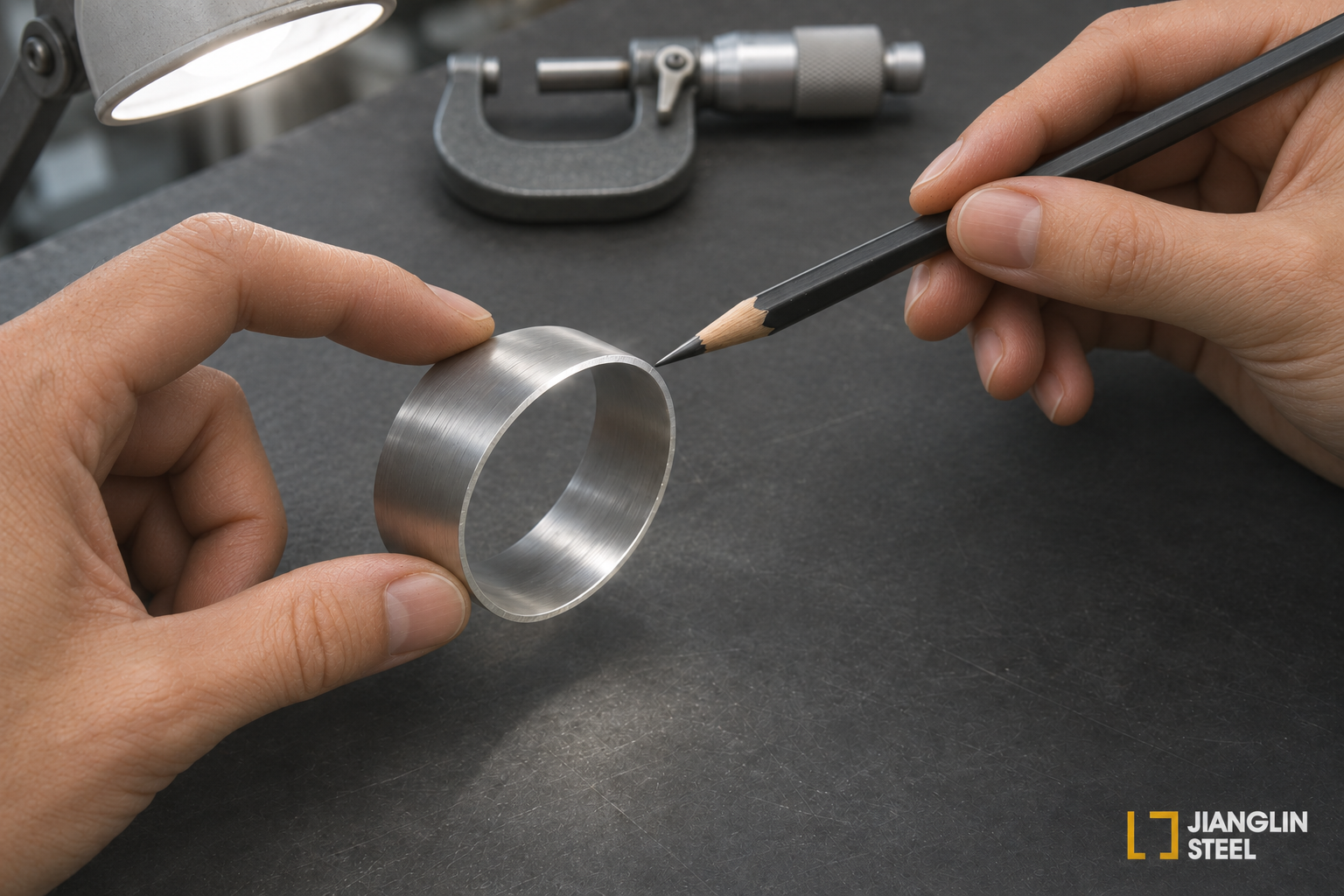
Review the mill test certificate guide for the document fields to match against the shipment.
An ASTM A213 heat exchanger tube RFQ you can adapt
Put the purchase specification and drawing revision at the top of the RFQ. Ask each bidder to list deviations beside the relevant requirement so you can compare offers on the same basis.
| RFQ field | Illustrative order entry |
|---|---|
| Standard and grade | ASTM A213/A213M, project-specified edition, TP316L seamless tube. |
| Size, length and quantity | 19.05 mm OD × 1.65 mm minimum wall × 6,000 mm cut length. 120 lengths. See drawing for any tighter dimensional requirements. |
| Delivery condition | Cold finished. Heat treated as required for the grade. Straight lengths with end preparation and cleanliness per drawing. |
| Project requirements | Attach the drawing with its revision. State any additional acceptance limits, required test route and inspection hold points. |
| Documentation and identification | Provide the material test report and required test records. Maintain heat traceability from bundle identification to the report. |
| Quote response | List exceptions to the specification and drawing. Confirm quantity, packaging and delivery basis. |
This example illustrates an RFQ format. The values are illustrative and do not establish a design requirement or stock availability.
Frequently asked questions
Does ASTM A213 allow welded tubes?
ASTM A213 specifies seamless tubing. If the equipment design permits welded austenitic heat exchanger tubes, check the applicable edition of ASTM A249 and confirm the substitution with the design authority.
Can I order A213 tubing by pipe schedule?
Use the tube OD, wall thickness and wall basis shown on the equipment drawing. If an older record gives only a nominal pipe size or schedule, use it to check the reference dimensions and resolve the tube callout before requesting quotes.
Can a supplier quote average wall against a minimum-wall drawing?
Ask the supplier to list it as a deviation. Keep minimum wall on the order unless the design authority approves an alternative and updates the acceptance requirements.
Do I need both hydrostatic and nondestructive electric testing?
A213 provides for either route under its baseline requirements. Check the project specification and purchase order for a required method or any additional tests.
Request a heat exchanger tube quote
Send Jianglin Steel your tube drawing, ASTM edition, grade, OD, wall basis, cut length and quantity. Include any testing and documentation requirements so the team can review the requested scope and identify points to confirm before quoting.